
Click here to browse our On The Mend Portfolio!
China’s nutraceutical supply chain spans familiar materials: vitamin powders, botanical extracts, probiotics, amino acids, and mineral compounds. Behind each ingredient are practical questions about sourcing, batch consistency, testing, and documentation. The market is expanding. Grand View Research’s Nutraceuticals Market Size, Share & Trends Analysis Report valued the global nutraceuticals market at approximately US$454.55 billion in 2021 and projected 5.5% annual growth from 2022 to 2030. This broad category includes finished products, not ingredients alone, so the figure should not be read as China’s ingredient-market size.
For buyers exploring top Nutraceutical Ingredients manufacturers in China, market growth is only a starting point. A capable supplier should be able to explain its raw-material sources, manufacturing controls, analytical methods, and batch-release process. Look for clear specifications, certificates of analysis, traceability records, and relevant quality-system documentation. Details matter. A botanical extract’s stated active-compound level, for example, is useful only when supported by a reliable method and a representative sample.
Industry reports help frame demand, but they rarely establish which individual factory is best. Company capabilities and product quality can vary, even within the same category. The evidence is useful, but not perfect. This overview therefore treats manufacturer claims as claims to verify, rather than proof of performance. Comparing product scope, technical support, production experience, and transparency can give procurement teams a more grounded shortlist. It cannot replace an audit or product-specific testing. Those steps remain important before a commercial decision.
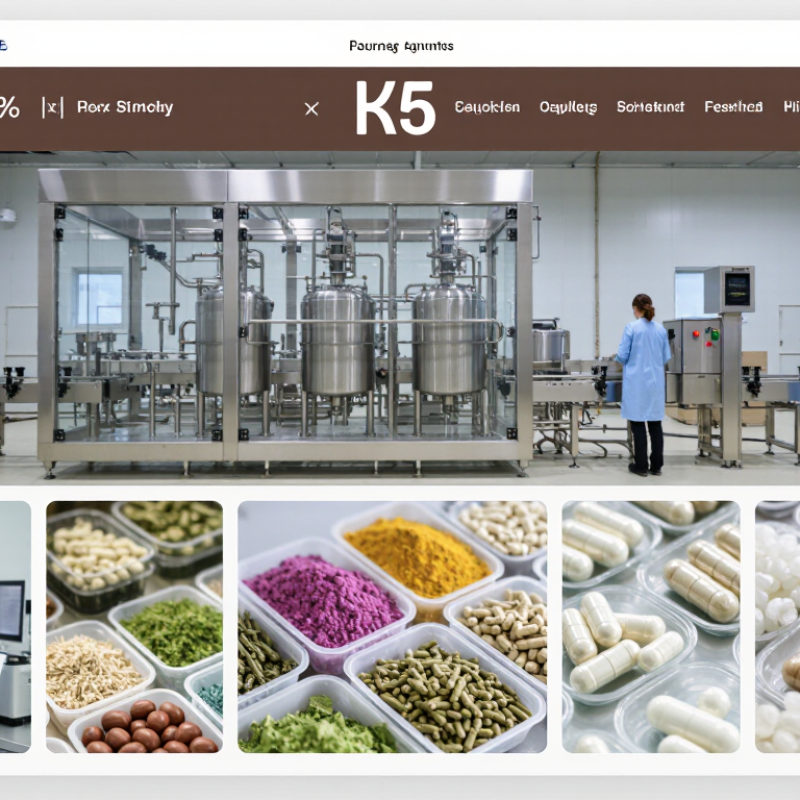
Nutraceutical ingredients are components used in foods and supplements to support nutrition or specific wellness goals. Common examples include vitamins and minerals, omega-3 fatty acids, probiotics, and plant extracts. Their roles differ: vitamin D contributes to normal bone health, while probiotics are selected for particular strains and intended uses. Ingredient names alone tell little. Dose, form, stability, and evidence matter.
Use is widespread, but surveys measure it differently. The Council for Responsible Nutrition’s 2023 Consumer Survey reported that 74% of U.S. adults used supplements, with 55% identifying as regular users. A CDC National Center for Health Statistics report found 57.6% used at least one dietary supplement during 2017–2018. These figures come from different survey periods and methods, so they should not be treated as a direct trend comparison. In manufacturing, identity testing, contaminant screening, and batch records help verify what an ingredient contains. A label is not the whole story. Botanical extracts can vary with plant source and processing, and evidence for one extract may not apply to another. That detail is easy to overlook. Reputable ingredient evaluation therefore considers both documented composition and human research, while avoiding claims that a supplement can diagnose or treat disease.
China’s nutraceutical-ingredient industry connects agricultural production, extraction, fermentation, and food-grade manufacturing. Common ingredient categories include plant extracts, vitamins, minerals, amino acids, and probiotics. The supply chain is broad, but consistent raw-material quality can be difficult to maintain across growing regions and harvest seasons.
The National Bureau of Statistics reported that China had 296.97 million people aged 60 or older in 2023, representing 21.1% of the population. This demographic shift supports interest in nutrition products, though it does not guarantee demand for any single ingredient.
Grand View Research estimated China’s dietary-supplement market at about US$16 billion in 2023 and projected further growth through 2030. Market estimates vary with category definitions.
That part is less tidy.
For ingredient buyers, practical checks include identity testing, active-compound measurement, contaminant screening, and batch traceability. A botanical extract may look consistent in powder form while its marker-compound levels differ by harvest. Supplier documentation matters. So does independent verification. Manufacturers also face pressure to improve process efficiency without weakening quality controls; smaller producers may find that balance difficult.
Top Nutraceutical Ingredients Manufacturers in China
How to Assess Nutraceutical Ingredient Manufacturers
Choosing a manufacturer takes more than comparing prices or reading a product sheet. Request a current specification, a sample certificate of analysis, and the test methods behind key measurements. Check the lot. Confirm that the sample and production material follow the same specifications. If details are vague, ask for a written explanation.
Traceability matters when questions arise months later. Ask how raw materials, processing records, and finished batches are linked. Review procedures for handling deviations, complaints, and changes to suppliers or production methods. A capable quality team should explain these steps clearly, without relying on broad assurances. This step is easy to rush. Don’t.
Assess whether the manufacturer can support your intended use and target markets. Discuss stability data, packaging conditions, and realistic lead times. If possible, review relevant audit records or arrange an independent site assessment. A neat document folder helps, but it cannot show how staff handle an unexpected result on the production floor.
Compare more than one batch when evaluating consistency. Note differences in color, odor, or powder flow, then ask whether the manufacturer tracks them against defined limits. Small variations may be acceptable; unexplained ones deserve attention. No checklist catches everything, and a first review can miss details. Keep questions specific, record answers, and revisit unclear points before placing an order.
| Assessment Dimension | What to Verify | Useful Evidence | Positive Indicators | Questions to Ask |
|---|---|---|---|---|
| Regulatory compliance | Confirm that the facility and product meet applicable Chinese requirements and the rules of the intended sales market. Requirements vary by ingredient, product category, and destination. | Applicable production or operating licences; product classification and regulatory-status documentation; export documents where relevant. | Documents are current, match the manufacturing site and product, and can be independently checked with the issuing authority where possible. | Which regulations apply to this ingredient in China and in my target market? Who is responsible for keeping the documentation current? |
| Food safety management | Assess the site’s hazard controls, sanitation, allergen management, supplier controls, and procedures for handling non-conforming product. | Current HACCP-based food-safety plan; audit reports; relevant certificates such as ISO 22000, if held; corrective-action records. | Audits cover the actual production site and product scope, and identified issues have documented corrective actions. | Can I review the latest audit summary and see how hazards specific to this ingredient are controlled? |
| Identity and composition | Check that the ingredient’s botanical, chemical, or other identity is clearly defined, along with its composition, grade, and permitted specifications. | Product specification; raw-material identity records; validated or otherwise suitable analytical methods; batch-specific certificate of analysis (COA). | Specifications state measurable limits and test methods, and COA results correspond to the batch being supplied. | How is identity confirmed, and which tests are performed on every batch versus periodically? |
| Analytical testing | Evaluate whether methods are appropriate for the ingredient and the limits being claimed. Depending on the product, testing may include chromatography, elemental analysis, or microbiological methods. | Test method references; laboratory reports; method validation or verification records; details of in-house or external laboratory capability. | Methods are suitable for the analyte and matrix, results are traceable to samples, and external laboratory accreditation scope is relevant when accreditation is claimed. | Which laboratory performs each test, and can its method and accreditation scope be reviewed? |
| Contaminant controls | Review risk-based controls for contaminants relevant to the ingredient and its source, such as heavy metals, pesticides, microorganisms, mycotoxins, or residual solvents. | Risk assessment; batch test results; supplier qualification records; contaminant limits tied to applicable regulations or agreed specifications. | Testing and limits reflect the ingredient’s origin, process, and intended market rather than relying on a generic COA. | Which contaminants are assessed for this ingredient, how often are they tested, and what happens when a result fails? |
| Traceability and change control | Determine whether raw materials and finished batches can be traced through production, and whether changes to sources, processes, or specifications are controlled. | Batch coding and traceability records; mock-recall results; change-control procedure; documented complaint and recall process. | The manufacturer can trace a batch to its inputs and customers and has a defined process for notifying buyers of material changes. | Can you demonstrate a mock traceability exercise, and how much notice is provided before a specification or source changes? |
| Manufacturing capability | Check whether the facility has suitable equipment, process controls, capacity, and experience for the ingredient’s required form and scale. | Process overview; equipment and capacity information; process-control records; site audit or technical questionnaire. | Capacity claims are supported by site-specific information, and controls are appropriate to the ingredient’s sensitivity and processing needs. | Which steps are performed at this site, and which are outsourced to other facilities? |
| Consistency and quality history | Compare specifications and analytical results across multiple production lots rather than relying on a single sample. | COAs from several recent lots; trend data for key attributes; records of deviations and corrective actions. | Results are consistently within agreed limits, and deviations are investigated and documented. | Can you provide anonymized lot-to-lot data for the key quality attributes? |
| Packaging, storage, and shelf life | Verify that packaging protects the ingredient from relevant conditions and that shelf-life claims are supported for the stated storage conditions. | Packaging specification; storage and transport instructions; stability data; retest or expiry-date rationale. | Packaging materials and storage instructions are clearly specified, with stability support appropriate to the product. | What stability data supports the shelf life, and how are temperature or humidity excursions handled? |
| Documentation and communication | Assess the completeness, consistency, and timely delivery of technical and quality documents required for qualification and import. | Specification; COA; safety data sheet where applicable; allergen and GMO statements where relevant; origin and export documentation as required. | Documents use consistent product names, grades, methods, and limits, and revisions are controlled. | Can documents be provided in English, and who is the designated contact for quality or regulatory questions? |
Note: This is a supplier-assessment framework, not a list of ranked companies or a guarantee of compliance. Verify current requirements with qualified regulatory or import professionals, since applicable rules depend on the ingredient, product category, and destination market.
Leading nutraceutical ingredient manufacturers in China are judged by more than production capacity. Buyers need consistent specifications, clear origin records, and technical support that answers practical questions. For botanical extracts, plant part, extraction method, and marker compounds all matter. Small differences can affect formulation behavior. A label tells only part of the story.
Reliable suppliers should provide current product specifications, batch-specific test results, and traceability documents. Independent testing can help verify identity, purity, and relevant contaminants. Ask how samples are retained and how deviations are investigated. These checks are not glamorous. They are useful. A polished brochure cannot replace records that match a shipment.
Manufacturing strength also includes controlled processes, trained quality staff, and realistic lead-time communication. For international buyers, documentation and responsiveness can matter as much as price. A site visit or third-party audit may clarify what a questionnaire cannot. Still, one audit is not a guarantee. Supplier performance can change, so assessments need periodic review. Compare candidates using the same criteria, then confirm requirements before scale-up. The best fit is a supplier whose evidence, process, and communication remain consistent.
China’s nutraceutical ingredient manufacturers vary widely in product range. Some focus on botanical extracts, while others offer vitamins, minerals, amino acids, or probiotic ingredients. A long catalog is not always a strength. Check whether the supplier can provide clear specifications for the exact ingredient, including its form, active-compound level, and recommended storage conditions. Small details matter. A powder that clumps during handling may create problems in a finished blend.
Quality comparisons should go beyond certificates displayed on a website. Request recent batch-specific certificates of analysis, contaminant test results, and information about traceability. Ask how the manufacturer controls changes between production lots. A useful response is specific and supported by records. Independent audits or laboratory testing can add confidence, though neither replaces reviewing the ingredient’s own data. Paperwork can look polished. It may still leave questions.
Global reach is reflected in more than a list of destination countries. Consider experience with export documentation, sample shipping, communication across time zones, and reliable lead-time updates. Confirm that documents and product specifications fit your market’s requirements; a supplier’s export history is not a guarantee of suitability. Some manufacturers serve many regions but offer limited technical support. That trade-off deserves a direct conversation before placing a large order.
Quality and export-readiness reference: publication years of selected food-safety standards relevant to ingredient manufacturing.
How to read this: The bars show the edition years of the cited standards, not manufacturer ratings or certification status. Use supplier-specific product specifications, audit records, and destination-market documentation to compare individual manufacturers.
