
Click here to browse our On The Mend Portfolio!
China has become a major manufacturing center for hygiene and personal-care products. This guide introduces ten leading manufacturers of Individual-Packaged Cotton Swab products. It focuses on practical evidence, not attractive claims.
The selection considers production experience, material quality, packaging control, and export capability. Reliable manufacturers should explain their cotton source, stick material, and sterilization options clearly. Their facilities should support consistent production, clean handling, and traceable batch management. Certifications such as ISO 9001, ISO 13485, or relevant quality systems may strengthen credibility. However, certification alone does not guarantee every shipment meets expectations. Details matter.
The guide also examines private-label support, minimum order quantities, sample procedures, and delivery communication. These points help buyers compare suppliers for hospitals, hotels, beauty brands, retailers, and travel kits. A strong supplier should provide clear specifications, packaging photographs, inspection records, and responsive technical support. Evidence matters more. Product dimensions, cotton softness, seal strength, and label accuracy can affect user safety and brand reputation. Small defects may become expensive at scale.
Some manufacturer information can change over time. Factory capabilities, certificates, and export markets should be verified directly before purchase. This is an important limitation. The ranking is therefore a practical starting point, rather than a permanent judgment. Buyers should request samples, confirm applicable requirements, and review commercial terms carefully. With this approach, the following overview offers a clearer way to identify dependable Chinese manufacturers for individually wrapped cotton swabs.
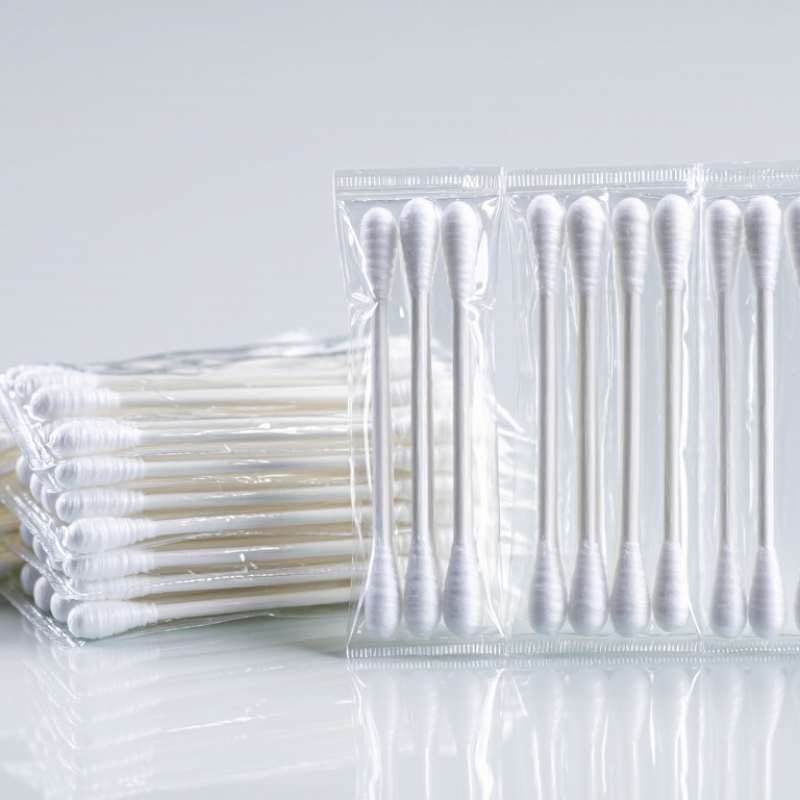
Individually packaged cotton swabs are single-use swabs sealed in separate wrappers. Each unit usually contains a cotton tip fixed to a paper, plastic, or bamboo stick. The wrapper protects the tip from dust, moisture, and unnecessary contact before use. This format suits travel kits, clinics, beauty services, first-aid drawers, and hospitality supplies.
The package may be made from paper, film, or a layered material. A sealed wrapper does not automatically mean the swab is sterile. Buyers should check the product description, production date, seal quality, and stated use. Reliable manufacturers should provide clear specifications, consistent cotton winding, and traceable quality records. During supplier reviews, examine samples closely. Loose fibers and uneven tips can suggest weak production control. I once viewed neat packaging as enough evidence. It is not.
Tips: Press the wrapper lightly before opening. It should feel fully sealed, without air gaps or torn edges. Choose lint-controlled tips for delicate applications. Confirm the stick does not bend during normal handling. For bulk purchasing, compare several samples from different batches. Packaging appearance matters, but performance matters more. Also, do not reuse a disposable swab, even when it looks clean.
Evaluating China’s leading individual packaged cotton swab manufacturers requires more than comparing prices.
A polished catalog proves little. Examine the factory’s production area, packaging lines, and hygiene controls through recent videos or an on-site audit. Ask where the cotton, paper sticks, and individual wrappers originate. Materials should have clear specifications and batch records.
Request samples from several production lots, not only one attractive sample. Check cotton attachment, stick strength, fiber shedding, wrapper sealing, print clarity, and odor. A useful sample review should include drop tests and storage checks. Small differences matter. Inspectors should also verify product dimensions against your purchase requirements. Ask for current quality certificates and confirm their scope with the issuing organization. Do not accept scanned documents without verification.
A reliable manufacturer should explain its inspection plan, defect limits, corrective actions, and traceability process. Review how it handles complaints and replacement decisions. Export experience can help, but it does not guarantee stable quality. Confirm production capacity during peak seasons, minimum order quantities, lead times, and carton protection. Communication is another practical test. Send the same technical questions to each supplier and compare the detail of their replies. Vague answers may signal weak internal control. Even experienced buyers can overvalue low prices or attractive packaging. That mistake deserves review before signing a long-term supply agreement.
China’s Top 10 Individually Packaged Cotton Swab Manufacturers deserve evaluation beyond production volume. Fortune Business Insights estimates the global cotton swabs market at about USD 1.6 billion in 2023, with steady growth through 2032. This demand reflects hygiene, travel, beauty, and clinical sampling needs. However, individually packaged products require tighter control than loose cotton swabs.
A reliable manufacturer should show batch records, fiber composition, stick material, and packaging test results. Check whether each sachet remains sealed after vibration, compression, and humidity testing. ISO 9001 certification can support process consistency, but it does not prove medical suitability. Buyers should also verify sterilization claims carefully. Some suppliers use clean-room assembly, while others only improve outer packaging.
Production details matter. Look for automatic sachet sealing, metal detection, dust control, and traceable carton coding. A practical audit should inspect cotton winding, edge smoothness, and opening force. Too much adhesive can leave residue. Too little cotton can expose the stick.
Grand View Research reports continued demand for convenient, hygienic personal-care formats. Still, market reports often combine household and clinical applications. That limitation deserves attention. A “Top 10” list should therefore compare verified quality data, export experience, packaging stability, and complaint records, not factory size alone. Test samples yourself. Factory photos are not evidence.
China’s top 10 individual packaged cotton swab manufacturers should be judged by standards, materials, and traceable quality control. A credible factory usually follows documented procedures aligned with ISO 13485 or comparable quality systems. Clean production areas, trained operators, and sealed packaging reduce contamination risks.
Materials matter at every stage. Cotton should be soft, absorbent, and securely attached to the stem. Bamboo, paper, and plastic stems each require different strength tests. Packaging should protect every swab from moisture, dust, and handling damage. Inspectors should check seal strength, package appearance, cotton attachment, and batch records. Sampling plans must be consistent, not decided casually.
Tips: Request recent inspection records, material certificates, and sample packages from each manufacturer. Ask how rejected products are isolated and recorded. Check whether production dates, lot numbers, and operators are traceable. Small details reveal factory discipline.
No factory is flawless. A strong supplier admits occasional defects and explains corrective actions clearly. Some audits look impressive but miss daily production habits. For this reason, buyers should combine factory visits, independent testing, and repeated sample checks. Cost matters, but unstable quality creates greater expense later.
The chart summarizes measurable reference targets commonly used in medical and hygienic cotton-swab production. Cotton content is shown as a material specification, while sterilization and packaging controls are expressed using internationally recognized quality frameworks. These are industry reference requirements, not company or brand performance data.
References: ISO 13485:2016, ISO 11607-1:2019, ISO 11135:2014, ISO 10993-7:2008, and ASTM F88/F88M.
China’s individual packaged cotton swab sector rewards careful supplier selection, not only low pricing. Grand View Research estimates the global cotton swabs market will expand at about 3.8% annually through 2030. This growth increases supplier choices, but quality can vary sharply. Ask for cotton origin, tip weight, stick material, pouch dimensions, and sealing strength. Request production samples from the same line used for mass orders.
A capable Chinese manufacturer should provide batch traceability, inspection records, and clear testing methods. For medical applications, verify relevant quality systems, such as ISO 13485, and confirm whether products are sterile or non-sterile. Do not assume “sterile” means compliant in every destination. Regulatory expectations differ. The International Organization for Standardization reports that ISO 13485 focuses on consistent medical-device quality processes, not automatic product approval. That distinction matters.
Audit the factory, physically or through an independent inspection service. Check clean handling areas, metal detection, packaging controls, and carton protection. Packaging defects are easy to miss in photographs. Confirm minimum order quantities, lead times, replacement rules, and export documentation in writing. Fortune Business Insights identifies convenience packaging as a continuing demand driver in the personal-care market, yet convenience should not weaken seal integrity. A very low quotation may hide thinner pouches, lighter cotton tips, or unstable labor planning. I would not trust a certificate PDF alone. Recheck its validity, scope, and issuing body. Supplier selection is never perfectly tidy. That is exactly why a paid pilot order is often wiser than a large first shipment.
| Shortlist Profile | Typical Manufacturing Region | Individual Packaging Formats | Common Cotton Swab Materials | Typical MOQ | OEM / Customization Capability | Typical Production Lead Time | Documentation to Request | Best-Fit Buyer | Pre-Screening Score |
|---|---|---|---|---|---|---|---|---|---|
| 01 | Jiangsu coastal manufacturing cluster | Paper sleeve Heat-sealed pouch Single sachet | Absorbent cotton tips with bamboo or paper sticks | 20,000–50,000 individual packs | Printed sachets, private-label cartons, stick length, tip size, and packing count | 20–35 business days after artwork and sample approval | ISO 9001 certificate, material specification, test report, packaging migration information, and batch traceability procedure | Retail, hospitality, and personal-care distributors | ★★★★☆ 4.4/5 |
| 02 | Zhejiang household and personal-care cluster | Paper wrapper Plastic-free pouch Retail box | Pure cotton tips with paper sticks | 10,000–30,000 individual packs | Low-to-medium artwork quantities, recycled paper packaging, custom carton configuration | 15–30 business days for repeat designs | Fiber composition statement, FSC evidence where applicable, ink compliance declaration, and pre-production sample | Eco-focused brands and online retailers | ★★★★☆ 4.3/5 |
| 03 | Guangdong export-oriented packaging cluster | Foil sachet PE pouch Multi-pack carton | Cotton, rayon, and blended absorbent tips | 30,000–100,000 individual packs | Strong graphic printing, multilingual labels, promotional bundles, and mixed-SKU container loading | 25–40 business days | Factory audit report, certificate of analysis, packaging artwork proof, metal detection record, and inspection plan | Importers requiring high-volume private-label production | ★★★★☆ 4.2/5 |
| 04 | Shandong cotton-processing region | Paper tube Individual sachet Bulk-to-retail conversion | Long-fiber cotton tips with paper or wooden sticks | 25,000–60,000 individual packs | Tip diameter, cotton density, stick material, and carton packing can usually be adjusted | 20–35 business days | Cotton origin statement, absorbency test, microbiological test, foreign-matter control procedure, and batch records | Buyers prioritizing cotton consistency and absorbency | ★★★★☆ 4.1/5 |
| 05 | Anhui medical and hygiene-product cluster | Sterile pouch Peel-open pack Non-sterile sachet | Medical-grade cotton tips with paper or polypropylene sticks | 10,000–50,000 packs | Separate sterile and non-sterile lines, lot coding, custom labels, and controlled packaging operations | 25–45 business days | ISO 13485 evidence where applicable, sterilization validation, bioburden report, shelf-life data, and device classification review | Clinics, laboratories, and regulated healthcare distributors | ★★★★☆ 4.5/5 |
| 06 | Hubei hygiene-product manufacturing cluster | Single paper wrap Sachet Travel pack | Cotton tips with paper, bamboo, or plastic sticks | 20,000–80,000 individual packs | Standardized formats, custom outer cartons, barcode labels, and export carton markings | 20–40 business days | Product specification, incoming-material inspection records, microbial limits, packaging seal-strength test, and sample approval report | General merchandise wholesalers and travel-kit assemblers | ★★★★☆ 4.0/5 |
| 07 | Fujian consumer-goods export cluster | Printed paper sleeve Small carton Gift-set insert | Cosmetic cotton tips with bamboo or paper sticks | 15,000–40,000 packs | Good fit for cosmetic packaging, seasonal designs, small retail boxes, and coordinated accessories | 20–35 business days | Cosmetic-product packaging declaration, color proof, ink safety documentation, carton drop-test result, and final inspection report | Beauty, cosmetics, and subscription-box sellers | ★★★★☆ 4.1/5 |
| 08 | Jiangxi paper and bamboo-product region | Compostable-style wrap Paper pouch Kraft carton | Cotton tips with bamboo or unbleached paper sticks | 30,000–100,000 packs | Material substitution, kraft packaging, simplified printing, and environmentally oriented product positioning | 25–45 business days | Material composition, compostability claim substantiation, adhesive information, packaging test report, and supplier chain records | Environmentally positioned retailers and hospitality groups | ★★★☆☆ 3.9/5 |
| 09 | Henan high-volume disposable-product cluster | Heat-sealed sachet Economy paper wrap Bulk carton | Standard absorbent cotton tips with paper or plastic sticks | 50,000–200,000 packs | Competitive for standardized designs, large orders, and limited variation in product specifications | 25–50 business days | Production license where required, batch test report, factory audit, pre-shipment inspection, and loading photographs | Cost-sensitive importers and institutional buyers | ★★★☆☆ 3.8/5 |
| 10 | Shanghai and neighboring contract-manufacturing zone | Premium sachet Retail-ready carton Multi-language pack | Fine cotton tips with paper, bamboo, or specialty sticks | 10,000–30,000 packs | Suitable for premium presentation, rapid sampling, multilingual packaging, and smaller launch quantities | 15–30 business days after specification confirmation | Quality agreement, inspection standard, packaging compliance file, sample retention policy, and corrective-action procedure | Premium brands, start-ups, and controlled market launches | ★★★★☆ 4.3/5 |
Note: The profiles use anonymous supplier categories rather than company or brand names. MOQ, lead time, materials, and capabilities are typical China-market screening ranges and should be confirmed through samples, current certificates, factory audits, and a written quotation before purchase.
