What Are the Top At Home Medical Supplies in 2026?
Choosing At Home Medical Supplies in 2026 is less about buying a long list and more about matching products to daily needs. A shower chair, a properly sized blood pressure monitor, or a clear pill organizer can make familiar routines easier to manage. Small details matter: bathroom floor space, hand strength, prescription schedules, and whether someone can read the display.
The need is substantial. The U.S. Centers for Disease Control and Prevention reported that 28.7% of U.S. adults had a disability in 2022, based on Behavioral Risk Factor Surveillance System data. Mobility-related limitations can make safe movement at home especially important. AARP’s 2024 Home and Community Preferences Survey found that 75% of adults aged 50 and older wanted to remain in their homes as they age. These findings help explain why supplies for monitoring, mobility, personal care, and fall prevention deserve careful attention.
But no product works for everyone. A walker that fits one hallway may feel awkward in another; a monitor is useful only when its instructions and readings are understood. This guide will explore commonly used supplies and practical factors to consider, including fit, ease of use, and advice from qualified healthcare professionals. It is a starting point, not a substitute for personalized care. And the “top” choice? It depends on the person.
Understanding At-Home Medical Supplies in 2026
What Are the Top At Home Medical Supplies in 2026?
Understanding At-Home Medical Supplies in 2026
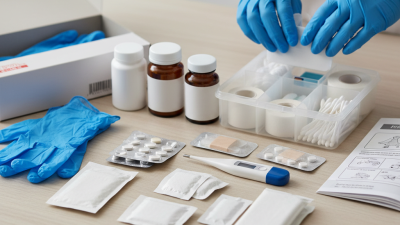
At-home medical supplies work best when they match a person’s health needs, daily routines, and care plan. Common essentials include a digital thermometer, a properly sized blood pressure monitor, a first-aid kit, and wound-care basics such as clean gauze and medical tape. People managing ongoing conditions may also need monitoring devices recommended by their healthcare professional. Check that devices are easy to use and that readings can be recorded clearly. Small details matter, like keeping batteries nearby. A drawer full of supplies can feel reassuring, but expired items are easy to overlook.
Tips: Store supplies in a cool, dry place, away from children and pets. Check expiration dates every few months. Follow device instructions, and ask a healthcare professional to confirm that a monitor and its cuff fit correctly.
Needs can change after illness, surgery, or a new diagnosis, so review supplies with a clinician when care plans change. Keep frequently used items together, but separate clean wound-care materials from household clutter. Do not rely on a home device alone to diagnose a problem; readings can vary with technique, timing, or device fit. If results seem unusual, repeat the measurement as instructed and contact a healthcare professional for guidance. A simple written log can help reveal patterns and make appointments more productive.
Assessing Household Health and Care Needs
What Are the Top At Home Medical Supplies in 2026?
Assessing Household Health and Care Needs
A useful home-supply list starts with the people who live there, not a generic shopping list. Note ongoing conditions, mobility limits, allergies, and whether anyone needs help bathing or dressing. Think about an ordinary week: a child with a fever, an older adult using a cane, or a caregiver changing a simple dressing. Small details matter. A narrow hallway may make a clear walking path more useful than extra storage.
For many households, a digital thermometer, basic first-aid items, disposable gloves, and prescribed medicines are practical starting points. Add supplies only when they match a real need, such as non-slip bath mats or incontinence products. A blood-pressure monitor may be appropriate if a clinician recommends one. Keep medicines in their original packaging and check expiration dates. It sounds obvious, but busy homes can miss this.
Store essentials somewhere dry and reachable, and label drawers so another person can find items quickly. Ask a clinician or pharmacist which supplies suit specific conditions; devices may give misleading readings when used incorrectly. Revisit the list after a diagnosis, surgery, or change in mobility. No checklist is perfect. Supplies that expire unused can create clutter, while one missing item can complicate care. A brief seasonal review may be more useful than buying everything at once.
Essential Monitoring and Diagnostic Equipment
For 2026, a validated upper-arm blood pressure monitor belongs near the top of a home health kit. The World Health Organization’s 2023 hypertension fact sheet estimates that 1.28 billion adults aged 30–79 live with hypertension worldwide; many do not know they have it. A monitor can reveal patterns between appointments, but one reading is not a diagnosis. Sit quietly for five minutes, keep feet flat, and rest the cuffed arm at heart level. Small details matter.
A digital thermometer helps track fever, while a blood glucose meter supports people who have been advised to monitor glucose. Keep test strips dry and check their expiry dates. For oxygen readings, a pulse oximeter may be useful during clinician-guided monitoring, but the FDA warns that readings can be affected by factors such as circulation, skin pigmentation, and nail polish. Useful, not magical. Cold fingers can also produce confusing numbers.
Choose equipment with clear instructions and a display you can read without squinting. Ask a clinician to check cuff size and review how to take measurements; bring the device or a written log to an appointment. Home logs are imperfect: readings get missed, and technique drifts. That is worth admitting. A monitor supports care; it cannot replace symptoms, clinical judgment, or urgent medical advice.
Top At-Home Medical Supplies in 2026: Essential Monitoring and Diagnostic Equipment
This chart compares the number of distinct core readings each device type commonly provides—not popularity or clinical importance. A blood pressure monitor typically reports systolic pressure, diastolic pressure, and pulse; a thermometer reports temperature. Readings and features vary by device, and results are not a substitute for professional medical advice.
Treatment, Wound Care, and Mobility Supplies
What Are the Top At Home Medical Supplies in 2026?
Treatment, Wound Care, and Mobility Supplies
Useful home supplies start with everyday tasks: checking a temperature, changing a dressing, or moving safely between rooms. A digital thermometer and a validated blood pressure monitor can support routine tracking, but readings need context. Keep a written log and share unusual results with a clinician. Small details matter. Store supplies together, dry, and within easy reach.
For minor wound care, keep clean gloves, sterile gauze, non-adherent dressings, and disposal bags on hand. Follow the clinician’s instructions about cleaning and dressing the wound; one product does not suit every injury. A 2009 review in Wound Repair and Regeneration estimated that chronic wounds affected 6.5 million Americans. That estimate is not a current 2026 count, but it underscores why persistent wounds deserve professional assessment, not guesswork.
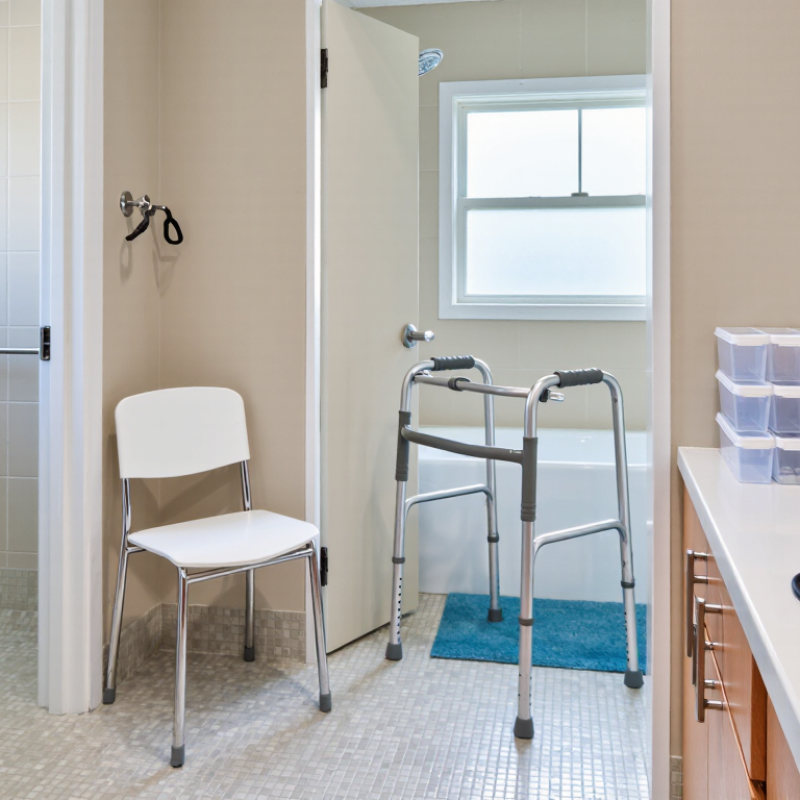
Mobility aids should match the person and the home. A properly fitted cane or walker, sturdy footwear, and professionally installed grab bars can make daily movement safer. The CDC reports that about one in four adults aged 65 and older falls each year. Ask a physical or occupational therapist to check fit and technique. A checklist can still miss a loose rug or a poorly placed chair; walk the actual route together and notice what feels awkward.
Choosing, Storing, and Using Supplies Safely
What Are the Top At Home Medical Supplies in 2026?
Choosing supplies starts with the person, not a shopping list. A digital thermometer, a properly sized blood pressure cuff, and basic wound-care items can meet many everyday needs. For mobility safety, consider non-slip bath mats, a sturdy walking aid recommended by a clinician, and clear paths through the home. The CDC reports that about one in four adults aged 65 and older falls each year. That makes practical fall-prevention supplies worth discussing with a healthcare professional, especially after a recent fall or change in balance.
Storage matters as much as selection. Keep sterile dressings sealed, dry, and away from heat; store medicines separately and follow their labels. Check expiration dates and inspect device batteries, tubing, and cuffs regularly. The FDA advises people using medical devices at home to follow the manufacturer’s instructions and seek help when a device behaves unexpectedly. A crowded drawer can hide a problem. I would not assume a device is accurate just because it turns on; compare readings with a clinician when possible.
Tips: Label supplies with purchase or opening dates. Keep a small, visible kit for daily use, and store backups out of children’s reach. Write down the steps for unfamiliar equipment. Instructions can feel obvious until someone is tired or worried. For oxygen, wound care, or other prescribed equipment, ask the care team to demonstrate safe use and explain when to call for help.