What Are the Top 10 Surgical Supplies for Global Buyers?
Buying medical equipment across borders is not a simple price comparison. Hospitals, distributors, and clinics need Surgical Supplies that support safe procedures, consistent performance, and reliable delivery. A low-cost product may become expensive when packaging fails, documentation is incomplete, or replacement stock arrives late.
This guide introduces the top 10 Surgical Supplies commonly considered by global buyers. The list includes essential items such as surgical gloves, masks, gowns, drapes, sutures, needles, scalpels, forceps, suction products, and sterilization supplies. Each category serves a different clinical purpose. Each also requires careful evaluation. Material quality, sterility assurance, shelf life, packaging strength, and traceability can directly affect purchasing decisions. Small details matter. A torn sterile pouch matters.
Experienced procurement teams often review ISO certification, batch records, product specifications, and instructions for use before placing large orders. They also assess supplier audits, sample performance, and communication during unexpected delays. Regional registration requirements may differ, so buyers should confirm current rules with qualified regulatory professionals and local authorities. Compliance cannot be assumed.
No list is perfect. A rural clinic may prioritize compact packaging, while a large hospital may demand uninterrupted monthly supply. That assumption can fail. Therefore, this overview focuses on practical selection rather than universal ranking. It aims to help international buyers compare Surgical Supplies with clearer standards, realistic expectations, and stronger risk awareness. Product quality should lead the decision, but supplier reliability often determines whether that quality reaches the operating room on time.
Set the Scope: WHO’s 5-Billion Safe-Surgery Access Gap (2015)
What Are the Top 10 Surgical Supplies for Global Buyers?
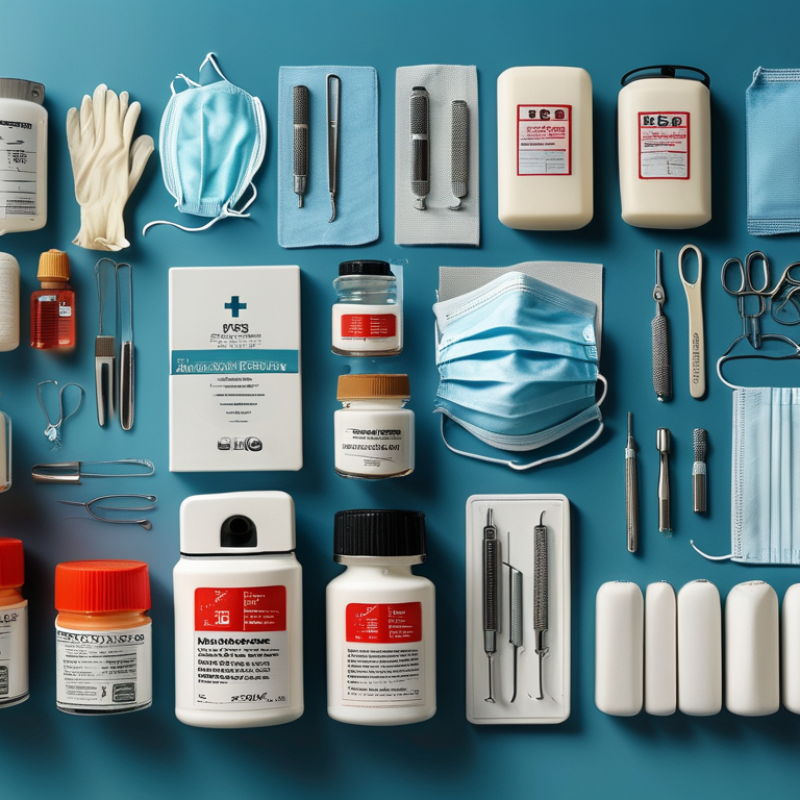
In 2015, the global surgery agenda highlighted a serious access gap. About five billion people lacked access to safe, affordable surgical and anesthesia services. WHO safety guidance makes supply reliability part of patient safety, not merely purchasing. For global buyers, ten core categories deserve close review: sterile gloves, surgical gowns, masks, drapes, scalpels, forceps, retractors, sutures, syringes with needles, and skin antiseptics. Each item supports a different point in the surgical pathway. Together, they help teams prepare, operate, close wounds, and reduce preventable contamination.
The best choice is not always the cheapest carton. Buyers should verify sterility methods, packaging strength, expiry dates, lot traceability, and storage requirements. A crushed sterile pouch can turn a useful product into waste. Product documentation should match local clinical protocols and import rules. Clear labeling matters when staff work under pressure. Regional demand also changes the list. A rural clinic may prioritize compact, multi-use instruments, while a referral hospital needs larger procedure-specific inventories. No checklist fits every setting. That is worth admitting.
Tips: Build a demand forecast from actual procedure volumes, not assumptions. Test samples with surgeons and nurses before larger orders. Keep a small safety reserve, but avoid excessive stock that expires unused. Review supplier records regularly, including corrective actions and delivery performance. Cost matters, but patient safety must remain the deciding measure.
Supplies 1–4: Gloves, Masks, Gowns, and Eye Protection—ASTM PPE Levels
Global buyers should treat gloves, masks, gowns, and eye protection as separate risk controls. They are not interchangeable. The World Health Organization estimated monthly pandemic demand at 89 million medical masks, 76 million examination gloves, and 1.6 million goggles. That figure exposed a practical problem: volume matters, but documentation matters more.
ASTM F2100 classifies medical face masks by bacterial filtration, submicron particle filtration, differential pressure, and fluid resistance. Level 1 suits lighter exposure; Levels 2 and 3 provide stronger fluid resistance. Purchasing teams should request test reports, lot numbers, and clear labeling. A mask can look protective and still fail a critical performance test.
Surgical gowns require careful terminology. AAMI PB70 uses Levels 1 through 4, while ASTM F2407 addresses gown performance requirements. Gloves usually follow material-specific standards, such as ASTM D6319 for nitrile examination gloves. Eye protection commonly follows ANSI/ISEA Z87.1, including impact and splash considerations.
Do not force every product into an “ASTM level” table. That shortcut is convenient, but technically weak. Fit also matters. Fogged goggles, torn cuffs, or loose masks can defeat compliant materials. Small procurement details often decide real-world protection.
Supplies 5–7: Syringes, Needles, and IV Sets—ISO 7886/8536 Benchmarks
For global buyers, supplies five through seven demand more than a low unit price. Syringes, needles, and IV sets directly affect dosing accuracy, connection security, and patient safety. A practical review should compare materials, sterile packaging, lot traceability, and documented quality testing.
ISO 7886 provides a useful benchmark for sterile, single-use syringes. Check readable graduations, smooth plunger movement, barrel clarity, dead space, and leakage resistance. The tip must connect securely without excessive force. Small details matter. For needles, buyers should also consult ISO 7864, because ISO 7886 does not define needle performance. Inspect gauge accuracy, bevel consistency, hub strength, protective caps, and package integrity. A bent bevel or loose hub can create serious handling problems.
ISO 8536 is central when evaluating IV equipment, especially gravity infusion sets. Review drip chamber performance, tubing clarity, flow control, connectors, air filters, and closure caps. Confirm that the set maintains a stable flow under stated conditions. Testing should reflect real use, not only laboratory convenience. Some suppliers provide polished samples but weaker production batches. That risk deserves attention. Ask for recent inspection records, sterilization evidence, certificates of conformity, and independent test reports. Also verify carton labeling, expiry dates, storage limits, and shipment protection. Requirements can differ by destination, so technical documents should match the importing market’s current rules.
Surgical Supply Reference Benchmarks: Syringes, Needles and IV Sets
Common nominal configurations used in global procurement, aligned with ISO 7886-1 for syringes, ISO 9626 for hypodermic needles, and ISO 8536-4 for infusion sets. Product ranges and specifications may vary by application and local regulation.
Syringe capacities are shown in millilitres, needle sizes as approximate nominal outside diameters in millimetres, and IV set performance as nominal drops per millilitre. Macrodrip sets commonly use 20 drops/mL, while microdrip sets use 60 drops/mL.
Compare Global Vendors: ISO 13485 and WHO’s 85% General-Waste Estimate
Global buyers often compare ten essential surgical supplies: gloves, gowns, masks, drapes, sutures, needles, syringes, scalpels, wound dressings, and sterilization pouches. Practical procurement reviews show that product quality depends on more than price. Check material specifications, sterility status, packaging strength, shelf life, and batch traceability. An ISO 13485-certified vendor should maintain a documented medical-device quality system. Still, certification does not automatically prove every product is suitable for every hospital.
Vendor comparison should also examine audit access, complaint handling, recall procedures, and delivery reliability. Ask whether sterile products use validated sterilization processes and clear expiration dates. Packaging matters. A torn pouch can turn a sterile item into unusable stock.
The World Health Organization estimates that about 85% of healthcare waste is general, non-hazardous waste, while roughly 15% is hazardous. This estimate should influence purchasing decisions. Smaller packages may reduce unused stock, but excessive packaging can increase waste. The balance is not always obvious.
Tips: Request certificates, test reports, and sample packaging before large orders. Compare landed cost, not only unit price. Review waste instructions with clinical and environmental teams. A perfect checklist is unrealistic. I would still document every exception, especially when a low-cost supplier cannot explain traceability. Choose vendors that communicate clearly, correct mistakes quickly, and support consistent quality across shipments.