Top Home Health Care Supplies You Need for Better Comfort and Safety
In today's rapidly evolving healthcare landscape, the demand for Home Health Care Supplies is on the rise, as they play a crucial role in enhancing the comfort and safety of individuals recovering at home. According to a report by Grand View Research, the global home healthcare market is expected to reach USD 515.6 billion by 2027, highlighting the growing emphasis on home-based care solutions. This surge in demand emphasizes the importance of equipping homes with essential supplies that can aid in the recovery process and improve the overall quality of life.
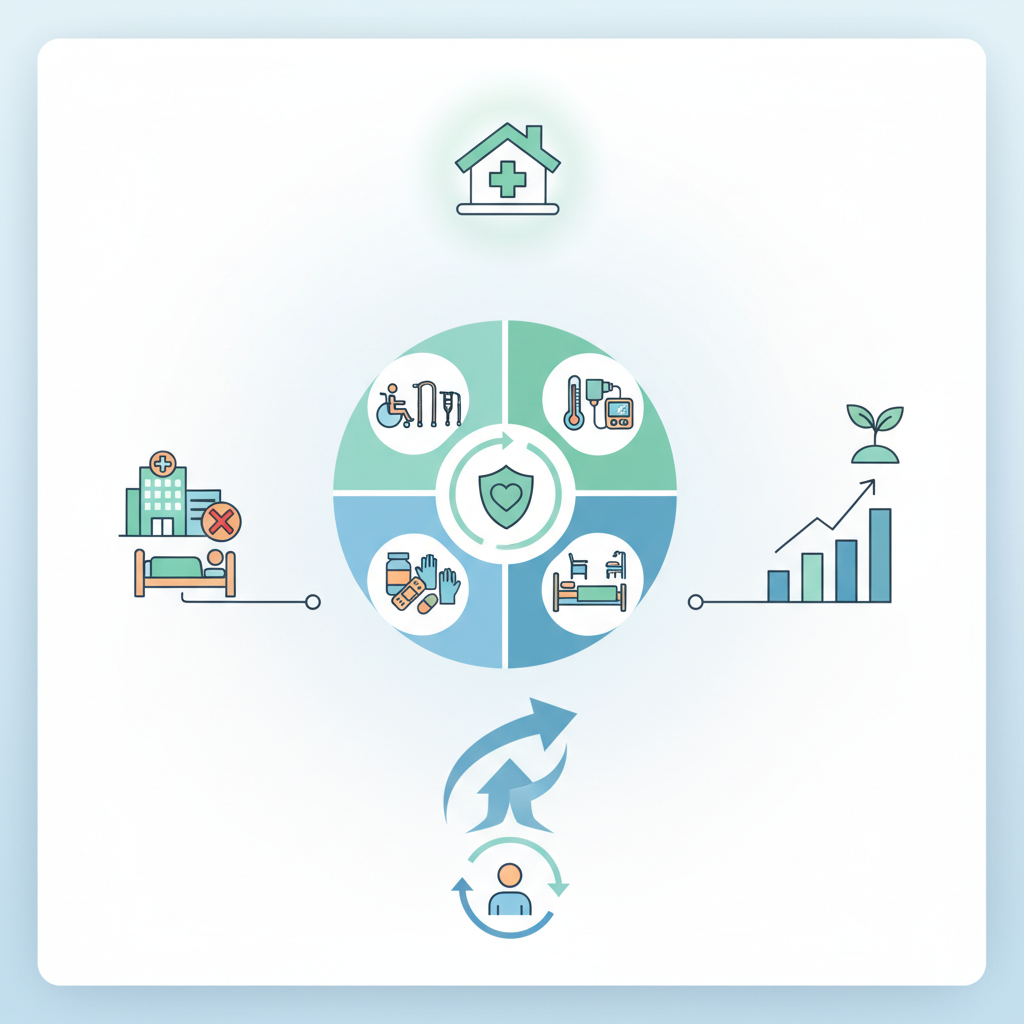 Dr. Michael Johnson, a leading expert in home health management, stated, "The right home health care supplies can significantly reduce the risks of hospital readmissions and ensure that patients receive the necessary care in a familiar environment." As families increasingly seek ways to provide compassionate and effective in-home care, understanding the essential supplies needed is paramount. From mobility aids to monitoring devices, the right tools not only facilitate daily living but also promote independence and ensure safety for individuals with varying health conditions.
In summary, investing in Home Health Care Supplies is not merely about enhancing comfort; it is about creating a supportive environment where patients can thrive. By prioritizing these supplies, families can ensure that their loved ones receive the best possible care, while also embracing the peace of mind that comes from knowing they are safe and supported in their healing journey.
Essential Medical Supplies for Home Care Comfort
When it comes to home care, ensuring comfort and safety through essential medical supplies is crucial. According to a report by the National Association for Home Care & Hospice, approximately 12 million individuals in the U.S. utilize some form of home health care services, underscoring the growing need for effective medical supplies. Quality home health care devices can significantly enhance the living standards of patients, helping to facilitate everyday tasks while providing peace of mind for caregivers.
Key supplies include mobility aids, such as walkers and crutches, which support independence and decrease the risk of falls. The CDC reports that falls are the leading cause of injury among older adults, emphasizing the importance of preventive measures. Additionally, having adequate supplies like grab bars in bathrooms and non-slip mats can improve safety and prevent accidents. Moreover, personal care items such as adjustable beds and pressure relief cushions not only contribute to physical comfort but also promote better health outcomes by reducing the risk of bedsores and enhancing sleep quality. Investing in these essential medical supplies not only fosters a safer environment but also promotes a higher quality of life for individuals receiving care at home.
Mobility Aids: Enhancing Safety and Independence at Home
Mobility aids are essential tools that significantly enhance safety and independence for individuals navigating their homes. From canes and walkers to rollators and stairlifts, these devices help individuals maintain their mobility while minimizing the risk of falls and injuries. For instance, a properly chosen cane provides stability and support, allowing users to walk confidently without fear. Walkers, on the other hand, offer a wider base of support, which is particularly beneficial for those recovering from surgery or dealing with chronic conditions that affect balance.
In addition to traditional mobility aids, innovative solutions such as grab bars and non-slip mats can be installed in key areas around the home. These modifications not only boost safety in high-risk locations like bathrooms and staircases but also empower individuals to move about freely without assistance. By incorporating these mobility aids into daily life, older adults and those with disabilities can enjoy greater comfort and a renewed sense of independence, transforming their living spaces into safe and accessible environments.
Personal Care Products for Daily Hygiene and Comfort
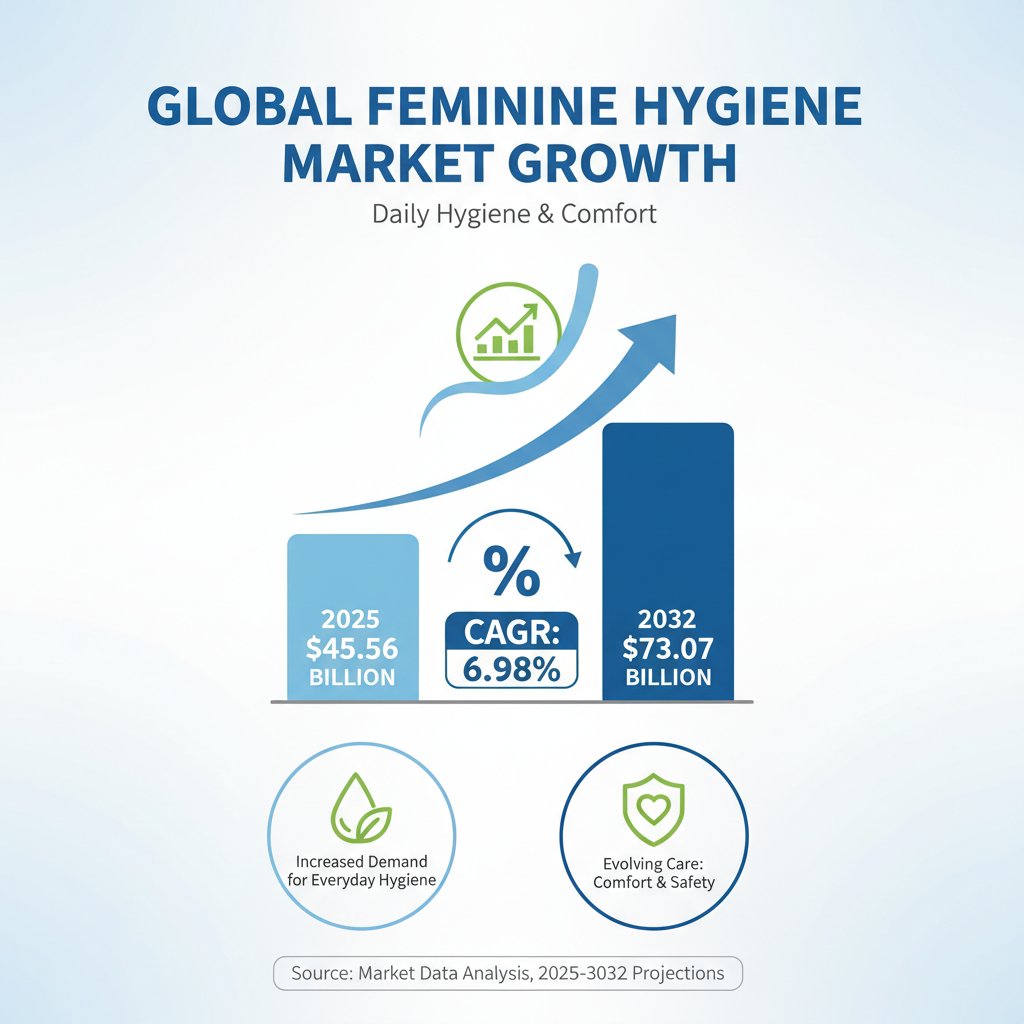
The personal care products market, particularly in the context of daily hygiene and comfort, continues to show significant growth. For instance, the global feminine hygiene market is projected to expand from $45.56 billion in 2025 to $73.07 billion by 2032, with a compound annual growth rate (CAGR) of 6.98%. This growth reflects not only an increase in demand for everyday hygiene products but also an evolving understanding of personal care that considers both comfort and safety, especially for vulnerable populations like the elderly.
In terms of demographics, the market is seeing a tailored approach, with products designed specifically for men and women. Notably, male personal care products, including intimate hygiene solutions, are gaining traction. The male grooming market is expected to witness a rise in the demand for natural formulations, diverging from synthetic alternatives, as consumers become more health-conscious about what they apply to their skin.
**Tips:** When selecting personal care products, consider those that offer dual benefits such as skin protection along with comfort. Always check the ingredients list; opting for natural products can minimize potential skin irritations. Additionally, keep in mind that hygienic practices extend beyond products; maintaining cleanliness in your daily routine is essential for overall well-being.
Emergency Preparedness Supplies for Home Health Situations
In any home health care setting, emergency preparedness is crucial for ensuring the safety and well-being of patients. Having the right supplies on hand can make all the difference in critical situations. A well-stocked first aid kit should be the foundation of any emergency plan. This kit should include bandages, antiseptics, gloves, and other essential medical supplies to address minor injuries or health issues promptly. Additionally, keep a supply of medications, including prescriptions, in a designated area that is easily accessible.
Moreover, consider investing in specialized equipment that can enhance safety and comfort during emergencies. For instance, having a battery-operated or solar-powered flashlight can provide light during power outages, and a portable phone charger ensures that communication lines remain open. Creating a list of emergency contacts and important medical information is also advisable, allowing caregivers to act quickly if the need arises. By preparing these supplies, families can create a safer home environment that not only addresses immediate health needs but also fosters peace of mind.
Top Home Health Care Supplies for Better Comfort and Safety
Monitoring Devices for Health and Safety at Home
Monitoring devices play a crucial role in enhancing health and safety at home, especially for seniors or individuals with chronic conditions. According to a report by the AARP, nearly 87% of seniors prefer to age in place, highlighting the importance of effective home health care supplies. Devices that monitor vital signs, such as blood pressure monitors and heart rate monitors, allow caregivers and healthcare providers to easily track patients' health conditions without frequent hospital visits. The global home monitoring devices market is projected to reach $43.4 billion by 2026, emphasizing the growing reliance on technology to maintain health at home.
In addition to vital signs monitoring, safety devices such as fall detectors and emergency response systems are essential for preventing accidents. The Centers for Disease Control and Prevention (CDC) states that one in four older adults falls each year, making proactive monitoring critical. Technologies like wearables or smart home devices equipped with sensors can automatically alert caregivers or loved ones in case of a fall, thereby significantly reducing response time in emergencies. Integrating these monitoring devices can lead to better outcomes, ultimately providing peace of mind for both patients and their families.
Top Home Health Care Supplies You Need for Better Comfort and Safety
| Device Type |
Purpose |
Features |
Price Range |
| Blood Pressure Monitor |
Monitor blood pressure levels |
Digital display, memory function, Bluetooth connectivity |
$30 - $70 |
| Pulse Oximeter |
Measure oxygen saturation levels |
Lightweight, easy-to-read display, battery-operated |
$15 - $50 |
| Medical Alert System |
Emergency alert at home |
24/7 monitoring, wearable device, fall detection |
$25 - $50/month |
| Thermometer |
Measure body temperature |
Digital, quick-read, memory function |
$10 - $30 |
| Mobility Aids |
Assistance in walking |
Lightweight, adjustable height, foldable |
$20 - $150 |