How to Choose the Best Medical Accessories for Your Needs?
In today's healthcare landscape, selecting the right medical accessories is crucial. Medical accessories play a significant role in patient care and recovery. According to recent reports, the global medical accessories market is expected to reach $450 billion by 2025. This growth reflects the increasing demand for advanced medical equipment and tools.
Choosing the best medical accessories requires careful consideration. Factors such as functionality, durability, and ease of use must be evaluated. Many healthcare professionals struggle with finding accessories that meet their specific needs. Sometimes, the options seem overwhelming and confusing.
It's essential to reflect on your requirements and the environment in which you will use these accessories. For instance, a hospital setting may need different tools than a home care scenario. Research indicates that improper selection may lead to complications or inefficiencies. Identifying your unique needs will guide you in making informed choices. After all, the right medical accessories can significantly impact patient outcomes.
Understanding Your Medical Needs and Conditions
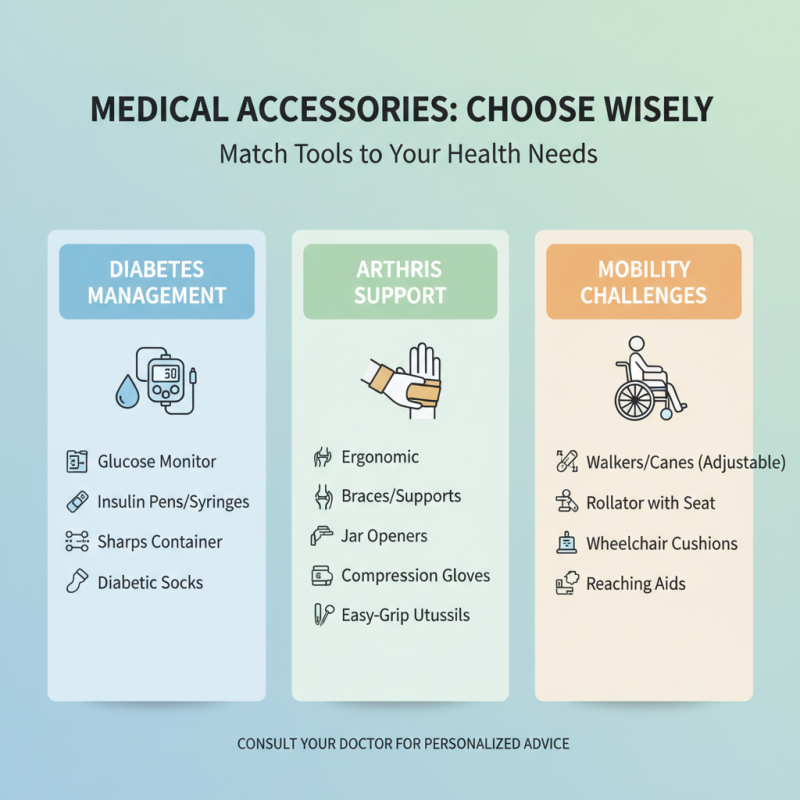
Understanding your medical needs and conditions is crucial when selecting the right medical accessories. Start by considering your specific health issues. Are you managing diabetes, arthritis, or mobility challenges? Each condition requires different tools. For example, diabetic patients may need glucose monitors while those with joint issues benefit from ergonomic designs.
Think about your daily activities. If you’re active, look for lightweight and portable options. A bulky device may not be practical. Also, reflect on comfort. An accessory that causes discomfort can lead to reluctance in using it. Don’t forget about your budget. Sometimes, the most expensive items are not the most effective.
Keep in mind the importance of adaptability. Your needs may change over time. What works today might not be suitable tomorrow. It’s essential to remain flexible and open to new options. Regularly assess how well your current accessories support your health. This reflection can guide future purchases and ensure you always have what you need.
Evaluating Quality and Durability of Medical Products
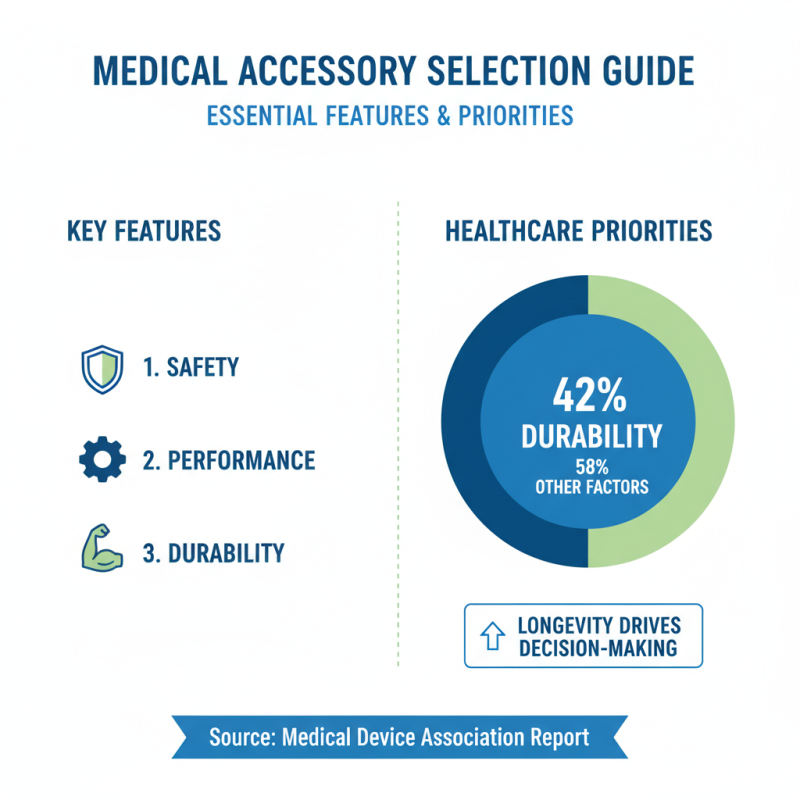
When choosing medical accessories, evaluating quality and durability is crucial. High-quality items enhance safety and effectiveness. Look for materials that withstand regular use. For example, consider steel over plastic for tools that require strength. Check for certifications that reflect rigorous testing. These indicators can help ensure you’re choosing reliable products.
Durability is another important factor. Items that break easily can lead to unsafe situations. Inspect the construction of each accessory. A sturdy design often suggests a longer lifespan. However, remember that even well-made products can fail. Always keep backup accessories on hand. Testing different options can also reveal surprising insights. You'll discover what works best for your routine.
In the quest for the right medical accessories, it helps to reflect on past experiences. What worked well? What fell short? Use these reflections to guide future choices. Look at user reviews, but remain skeptical about glowing endorsements. Balancing personal needs with quality will lead to more satisfactory selections.
Comparing Costs and Budgeting for Medical Accessories
When budgeting for medical accessories, understanding costs is crucial. Research indicates that prices can vary widely. For example, a mobility aid can range from $50 to over $1,000. It’s essential to know what features you really need. Many people spend more on extras they rarely use.
Consider ongoing costs too. Consumables like bandages or batteries add up quickly. A recent industry report highlighted that the average family spends $300 annually on medical supplies. Tracking these expenses helps in making informed decisions. It's common for people to overlook hidden fees in evaluations.
Assess your needs carefully. Often, we buy more than necessary. Reflecting on what truly aids your condition is vital. Some accessories may seem appealing but provide little benefit. Costly does not always mean better. Regularly review your choices to enhance efficiency and cut unnecessary spending.
Cost Comparison of Common Medical Accessories
Researching Brand Reputation and User Reviews
When choosing medical accessories, understanding brand reputation is crucial. A study by Market Research Future highlights that 70% of consumers rely on online reviews before making a purchase. This indicates that user feedback significantly influences buying decisions. It's vital to dig deeper into these reviews. Look for consistent mentions of durability or functionality.
Many accessories may boast innovative designs, but not all live up to their promises. Reports suggest that nearly 30% of users experience dissatisfaction due to poor performance. Reading both positive and negative reviews provides a balanced perspective. Pay attention to common criticisms or high praise concerning comfort and usability.
Social media platforms also offer insights. Users often share their experiences, which can reveal issues not found in official reviews. Engaging with these communities can lead to valuable recommendations. However, remember that some reviews may be biased. Evaluate the credibility of the sources. It's essential to balance enthusiasm with realistic expectations when researching your options.
How to Choose the Best Medical Accessories for Your Needs? - Researching Brand Reputation and User Reviews
| Accessory Type |
Average User Rating |
Brand Sentiment |
Price Range (USD) |
Common Features |
| Blood Pressure Monitor |
4.5 |
Positive |
30 - 100 |
Automatic, Bluetooth Connectivity, Memory Storage |
| Glucose Meter |
4.2 |
Mixed |
20 - 80 |
Fast Results, Data Tracking, Easy To Use |
| Nebulizer Machine |
4.6 |
Positive |
50 - 300 |
Portable, Quiet Operation, Adjustable Medication Delivery |
| Thermometer |
4.8 |
Very Positive |
15 - 75 |
Digital Display, Quick Read, Fever Alarm |
| CPAP Machine |
4.3 |
Mixed |
400 - 2500 |
Auto-Adjusting Pressure, Humidification, Quiet Operation |