
Shop Local in CT & NY – Find Us Near Fairfield, Hartford, Litchfield & New Haven County in CT, and Westchester, Putnam & Dutchess County in NY!
How to Choose Medical Equipment Supplies for Your Facility?
Choosing Medical Equipment Supplies is not a routine purchasing task. It shapes how safely and smoothly care is delivered, from a monitor beside a patient’s bed to the gloves used during a procedure. The World Health Organization reports that more than two million types of medical devices are available, grouped into over 7,000 generic categories. That scale makes selection difficult. A low purchase price may look attractive, yet compatibility, staff training, maintenance, and reliable access to replacement parts affect the real cost of ownership. Small details matter.
Atul Gawande, a surgeon and patient-safety writer, captured the mindset well: “Better is possible.” His words offer a useful lens for equipment decisions, though they do not replace clinical judgment or careful evaluation. A practical review should start with the facility’s patient needs, existing systems, and daily workflows. Then compare safety features, usability, supplier support, warranty terms, and lifecycle costs. Ask staff who use the equipment what slows them down. A specification sheet cannot show every awkward cable or hard-to-clean corner.
This guide explains how to weigh those factors and document a defensible choice. It also recognizes an uncomfortable truth: even a thorough process can miss something. Revisit decisions as needs change, and treat feedback as evidence, not criticism. A device must work in the real room, on a busy shift—not just in a catalog.
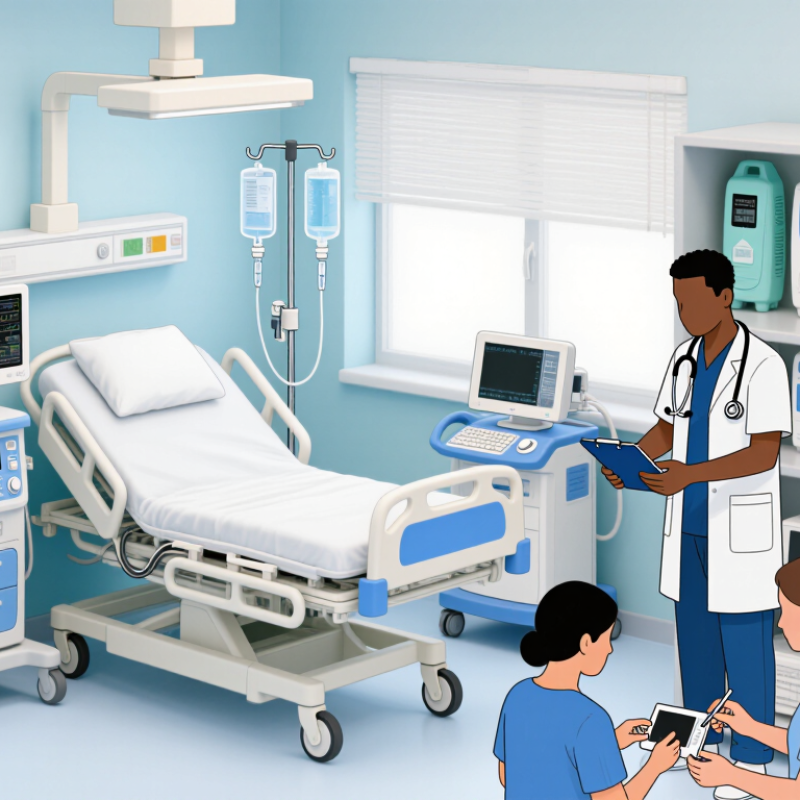
Assess Your Facility’s Clinical Needs and User Requirements
Start with the care your facility actually delivers, not a supplier’s catalog. Map patient types, procedures, room layouts, and peak shift demands. Ask nurses, technicians, and clinicians which tasks slow them down, and observe real workflows where possible. Small details matter. A monitor’s screen may be hard to read from the doorway; a cart may block access to a bed. Note cleaning routines, storage space, power outlets, and the supplies each device consumes. These details help distinguish essential features from costly extras.
User requirements include training time, alarm response, mobility, and maintenance access. From 2009 through June 2012, The Joint Commission received reports of 98 alarm-related sentinel events. Those reports included 80 deaths (Sentinel Event Alert 50, 2013). They are reported events, not a measure of overall alarm risk, but they make alarm workflows worth assessing. Check who will hear each alarm, how staff will prioritize it, and whether settings suit the unit. Ask frontline users to test equipment in realistic scenarios before purchase. Their feedback may reveal needs that a written specification misses; we often overlook that step when procurement timelines are tight.
| Equipment Category | Clinical Need to Assess | Primary Users and Workflow | Key Requirements to Confirm | Facility Assessment Questions |
|---|---|---|---|---|
| Vital Signs Monitors | Routine or continuous measurement of blood pressure, pulse, oxygen saturation, temperature, and, where clinically indicated, respiratory rate. | Nurses, medical assistants, and clinicians in examination rooms, inpatient units, or recovery areas. | Required parameters; adult, pediatric, or neonatal patient populations; measurement method; alarm needs; mobility; cleaning requirements; and connectivity with clinical records. | Which measurements are needed in each care area? How often will devices be moved? Are alarms and data transfer required for the intended workflow? |
| Examination Tables | Patient examination and minor procedures that require a stable, accessible surface. | Clinicians and support staff assisting patients with a range of mobility needs. | Safe working load; adjustable height; patient transfer access; positioning options; stability; upholstery durability; and space for accessories. | What patient transfer methods are used? Is adjustable height needed for safe access? Will the table fit the room and allow staff to work around it? |
| Infusion Pumps | Controlled delivery of prescribed fluids or medications when infusion is part of the facility’s scope of care. | Staff trained and authorized to prepare, program, monitor, and document infusions. | Types of infusion supported; compatible administration sets; dose and rate ranges; alarm functions; battery operation; cleaning; training; and maintenance support. | Which infusion therapies are routinely provided? What equipment and consumables are already in use? What training and maintenance processes can the facility support? |
| Suction Equipment | Removal of secretions or fluids when clinically indicated and within the facility’s procedures and staff competencies. | Clinical staff working in treatment, procedure, recovery, or emergency-care areas. | Fixed or portable use; expected suction capacity; collection-container size; available power source; filter and tubing requirements; noise; and cleaning or disposal procedures. | Where is suction required? Is wall suction available, or is a portable unit needed? How will used containers and accessories be handled safely? |
| Oxygen Delivery Equipment | Supplemental oxygen delivery for patients when ordered and supported by the facility’s clinical protocols. | Clinicians who assess patients, administer oxygen, and monitor response. | Oxygen source; prescribed flow range; outlet or cylinder compatibility; portability; storage and handling arrangements; monitoring needs; and applicable fire-safety procedures. | What oxygen sources are available? Which care areas need access? Are storage, transport, staff training, and emergency procedures in place? |
| Diagnostic Scales | Measurement of patient weight for assessment, monitoring, or clinical calculations where required. | Clinical staff weighing patients in examination rooms, clinics, or inpatient settings. | Patient capacity; platform size; step-on access; wheelchair weighing needs; display visibility; units of measurement; and calibration or verification procedures. | Will patients need to be weighed while seated or using a wheelchair? Can the scale be placed on a stable, level surface with adequate access? |
| Examination Lights | Focused illumination for examinations and procedures that require a clear view of the work area. | Clinicians performing visual examinations or procedures in rooms with varying ambient light. | Light intensity and adjustability; positioning range; mounting or mobile-base requirements; heat; cleaning; and access to power. | Which examination positions and procedures must the light support? Is ceiling, wall, or mobile placement most suitable for the room layout? |
| Emergency Response Equipment | Immediate assessment and response to deterioration or emergencies covered by the facility’s policies and scope of service. | Staff assigned to emergency response, with roles and training defined by facility policy. | Required devices and supplies; location and accessibility; readiness checks; battery status; consumable expiry tracking; maintenance; and staff competency. | What emergencies must the facility be prepared to manage? Who checks readiness, how often are checks recorded, and can staff access the equipment promptly? |
Related Posts
-
What Are the Top Medical Equipment Suppliers in China?
-

How to Source Medical Equipment Supplies Globally in 2026?
-
10 Best Health Equipment Stores for Global Buyers?
-

Top Medical Supplies Suppliers in China for Global Buyers
-

Exploring the 2025 Tech Innovations in Best Home Health Supplies and How to Leverage Them for Global Sourcing
-

What is the Ultimate Guide to Choosing the Best Home Health Care Supplies for Global Buyers?