
Click here to browse our On The Mend Portfolio!
China Best TCM Granules Supplier for Global Buyers
Selecting a Tcm Granules supplier calls for more than comparing prices. Buyers need traceable herbs, consistent extraction, clear specifications, and dependable batch records. The World Health Organization’s 2019 global report found that 170 of its 194 Member States reported using traditional medicine. It also recorded that 124 countries had laws or regulations covering traditional and complementary medicine. These figures show broad use, not proof that every product or supplier meets the same quality standard.
For purchasers, that difference matters. A well-ordered sample may look uniform, yet the real test comes with repeat batches, documented testing, and clear communication about sourcing. WHO’s 2022 Global Centre for Traditional Medicine strategy emphasizes evidence, safety, and quality in traditional medicine. This is a useful lens for assessing manufacturers, alongside applicable market requirements and independent quality documentation.
Academician Zhang Boli, a prominent TCM researcher, has advocated modernization while protecting traditional medicine’s clinical value. A cautious paraphrase of that principle is: “Standardization should support clinical value, not replace it.” This is an editorial paraphrase, not a verified verbatim quotation. No supplier should rely on a slogan alone. Ask for product specifications, batch-level test results, and a transparent explanation of the manufacturing process. Details matter. This guide examines how global buyers can compare suppliers, verify practical quality indicators, and spot unanswered questions before placing an order. One limitation remains: public data on Tcm Granules suppliers is not always comparable across regions, so buyers should check the underlying evidence themselves.
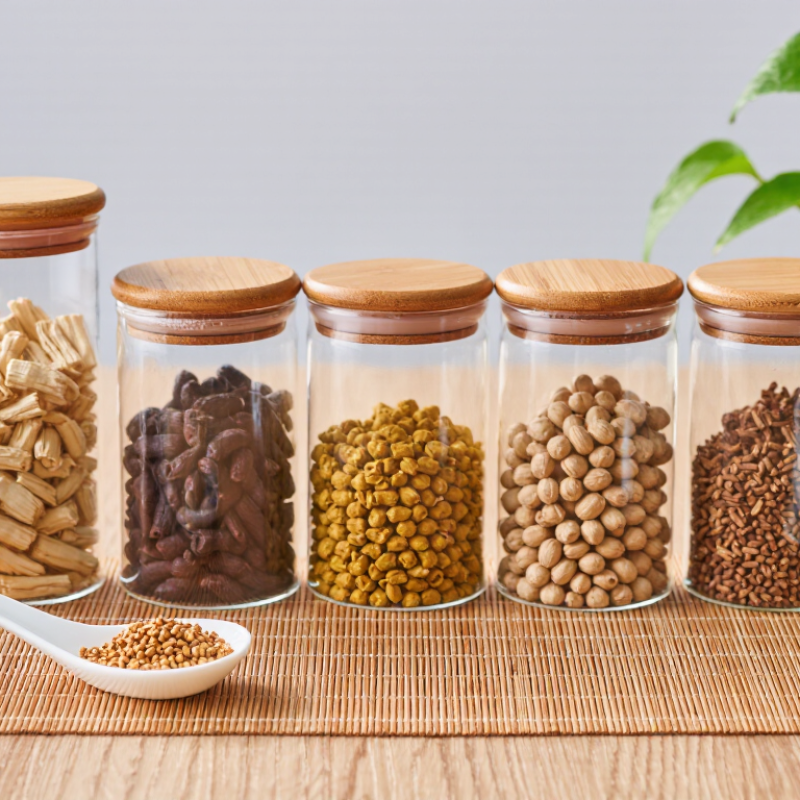
TCM granules are dried extracts made from Chinese medicinal herbs. They may contain one herb or a practitioner-selected formula. Unlike raw herbs, granules are easy to measure and store. Many are mixed with warm water before use, forming a drink with a concentrated, earthy taste. Follow the product directions; preparation and strength can vary.
The WHO Global Report on Traditional and Complementary Medicine 2019 states that 170 of its 194 Member States reported use of traditional medicine. This figure covers traditional medicine broadly, not granules specifically.
In practice, a qualified practitioner may choose a formula based on a person’s needs and review it over time. Granules are not interchangeable, and they should not replace prescribed care without medical advice. Small details matter.
Tip: Check the label for ingredients, dose, preparation instructions, and quality-testing information. Tell your healthcare professional about medicines and supplements you take. Convenience helps, but it does not answer every safety question. I would still ask how a formula was selected and when its effects should be reviewed.
TCM granules begin with verified botanical materials. Staff check the species, plant part, appearance, and supplier records before processing. Samples may be tested for identity and screened against limits for moisture, pesticides, heavy metals, and microbial contamination. Details matter. A damp root can affect storage stability, while a mistaken plant part may change the extract profile.
After cleaning and cutting, herbs are extracted using specified methods. The liquid is filtered, concentrated, and dried, often into a fine powder. Granulation improves flow and makes measured portions easier to handle. Operators monitor time, temperature, and moisture, then record each batch. Small process changes can matter.
Finished granules undergo further checks. Tests may cover appearance, particle size, moisture, microbial limits, and chemical identity or marker compounds. Chromatographic fingerprints can help compare batches, but no single test tells the whole story. Retained samples and traceable records support later review. Natural materials vary with harvest and origin, so specifications and methods need regular review—not just a pass stamp.
A reliable TCM granules supplier is more than a low-price source. Buyers need evidence that each batch is traceable, tested, and made to consistent specifications. The World Health Organization’s Global Report on Traditional and Complementary Medicine 2019 found that 170 of its 194 Member States reported using traditional and complementary medicine. That broad use does not mean requirements are uniform. Import rules and quality expectations differ by destination.
Ask for product-specific records: botanical identity, raw-material origin, manufacturing controls, test methods, and a batch certificate of analysis. Check whether tests cover identity, marker compounds, moisture, and relevant contaminants. The WHO report also noted that 109 Member States had laws or regulations for traditional and complementary medicine. A supplier should therefore explain which documents support your target market, rather than promise one certificate works everywhere.
Look closely at a real batch file. Can its lot number be followed from incoming herbs to finished granules? Are limits and methods stated clearly, with results and units? Request sample records and confirm testing arrangements with qualified laboratories. A polished document can still leave gaps. No checklist catches everything. If a supplier cannot explain a result or change-control process plainly, pause before scaling an order. Some paperwork may look complete, yet still need independent review.
For TCM granules, review the product specification, batch certificate of analysis, manufacturing controls, and traceability records. Check that each specification states the botanical name, plant part, extract ratio, excipients, and test methods. A batch report should show results for identity, strength, microbes, pesticides, and heavy metals. Look for dates, limits, and the testing laboratory—not just a pass mark. Paperwork can still mislead.
The WHO’s 2019 Global Report on Traditional and Complementary Medicine found that 170 Member States reported traditional medicine use, while 124 had laws or regulations on herbal medicines. This points to differing buyer requirements. Ask for current good manufacturing practice evidence, stability data, and packaging details, then compare them with the destination market’s requirements. Where external laboratories are involved, verify their relevant testing scope and accreditation. Also request a batch-level traceability trail, from incoming raw material to finished granules. A certificate alone cannot confirm that every shipment matches the sample. I would check one recent batch closely, including the report issue date and any unexplained specification changes.
Illustrative buyer checklist: the bars count example evidence items to review in each area, not mandatory document counts.
Review examples: GMP and quality system: manufacturing-site GMP evidence, audit findings, batch records, and deviation/CAPA records. Product quality: product specification, batch certificate of analysis, test methods, and identity testing. Safety: heavy-metal results, pesticide-residue results, microbiological results, and other destination-market-required contaminant tests. Export and traceability: ingredient and origin records, batch traceability, packaging details, and destination-market regulatory documents. Applicable requirements vary by product and destination; verify certificates and test reports with the issuing body or laboratory.
Reliable sourcing begins with clear specifications. Buyers should confirm the botanical ingredients, granule form, batch size, and quality documents before placing an order. Request a recent certificate of analysis and check that its batch number matches the shipment. Ask how raw materials are identified and how production records are retained. Small gaps matter.
Packaging should protect the granules from moisture, light, and handling damage. Buyers can request sealed inner liners, sturdy cartons, and labels showing the product name, batch number, net weight, and storage conditions. Review a label sample before production. Packaging needs can vary by destination, and a detail that seems minor on paper may cause delays at inspection. I have seen plans change late.
For international shipping, agree on the shipping method, dispatch date, and responsibility for freight and insurance in writing. Ask for the commercial invoice, packing list, and any product documents required by the destination’s authorities. Requirements differ by market, so buyers should verify them with local regulators or a qualified customs broker before shipment. Keep tracking details and scan copies of records. Allow extra time for document review; a fast booking does not guarantee quick clearance.
| Buyer Focus | What to Verify | Useful Records or Questions | Practical Risk-Control Step |
|---|---|---|---|
| Product and regulatory classification | How the product is classified in the destination market. Herbal granules may be regulated differently depending on their ingredients, intended use, claims, and local law. | Ask for the complete ingredient list, botanical names, plant parts, intended use, and available product specifications. Confirm local import and registration requirements before placing an order. | Have the importer or a qualified regulatory adviser review the product and its proposed label before production or shipment. |
| Raw-material sourcing and traceability | Whether botanical materials can be traced through the supply chain and whether their identity and origin are documented. | Request botanical identity information, source and lot records, supplier qualification details, and the methods used for identity testing. | Agree on lot identification and record-retention expectations in writing; check whether any ingredient requires additional conservation or trade documentation. |
| Quality specifications and testing | Whether finished-product specifications cover the quality attributes relevant to the product and destination market. | Review a product specification and a lot-specific certificate of analysis (COA). Confirm applicable tests, methods, acceptance criteria, and testing responsibilities. | Set acceptance criteria and a procedure for handling out-of-specification results before approving the first commercial lot. |
| Manufacturing controls | Whether documented controls are appropriate for the product’s regulatory category and the destination market’s requirements. | Ask for relevant quality-system information, manufacturing and batch-release procedures, and audit or inspection records where available and applicable. | Assess the facility and documentation against the requirements that apply to the specific product; do not assume one certificate covers every market. |
| Packaging format and protection | Whether the chosen inner and outer packaging protects the granules from moisture, contamination, and physical damage during storage and transport. | Confirm pack size, material specifications, closure method, tamper-evidence needs, and any available packaging compatibility or stability information. | Approve a packaging sample and confirm that the packaging configuration matches the product specification and destination-market rules. |
| Labeling and languages | Whether the label meets destination-market rules for language, ingredients, warnings, quantity, storage, and other required particulars. | Review final artwork and product information with the importer or local regulatory adviser. Verify that claims are permitted for the product’s classification. | Obtain written approval of the final label before printing; avoid unverified health claims or unsupported translations. |
| Shelf life and storage | Whether the proposed shelf life and storage conditions are supported by appropriate product data. | Request the assigned expiry or retest period, storage instructions, and supporting stability information available for the product. | Check that the remaining shelf life at arrival meets the buyer’s requirements and that warehouse conditions can follow the stated instructions. |
| Export and import documentation | Which documents are required for the product, exporting country, importing country, and chosen transport route. | Confirm the commercial invoice, packing list, transport document, and any product-specific permits, certificates, or declarations required by the authorities. | Ask the importer and customs broker to confirm the document set and product description before dispatch; requirements vary by market and classification. |
| Freight and customs planning | Whether the shipment method, customs classification, declared value, and delivery terms are agreed and suitable for the shipment. | Confirm the proposed route, transport mode, Incoterms® rule and named place, customs broker responsibilities, and who pays each charge. | Check import eligibility and estimate duties, taxes, clearance fees, and transit time before confirming the purchase order. |
| Shipment condition and delivery | Whether the packaging and transport plan suit the product’s documented handling and storage requirements. | Agree on shipment marks, pallet or carton configuration, shipment tracking, delivery appointment, and procedures for visible damage or discrepancies. | Inspect the shipment on arrival, record any damage promptly, and retain batch and shipping records for traceability. |
Note: Import, product-registration, labeling, testing, and documentation requirements differ by destination and product classification. Buyers should verify current requirements with the relevant authorities, importer, or qualified customs and regulatory professionals.
