
Click here to browse our On The Mend Portfolio!
Choosing the best Nasal Opening Strips in 2026 is less about finding one perfect product and more about finding a strip that suits your nose, skin, and routine. These small adhesive bands are designed to gently lift the sides of the nose. Fit matters. So does comfort.
This guide compares practical details shoppers can check: strip size, flexibility, adhesive feel, packaging, and whether the product stays in place during sleep or exercise. We’ll also consider removal, skin sensitivity, and value per strip. A strong hold is not always a better hold. Some users may prefer a gentler adhesive, even if the strip shifts sooner. That trade-off is easy to overlook.
Nasal Opening Strips are not a cure for nasal congestion or sleep-related breathing conditions, and results can vary. Persistent blockage, pain, or disrupted sleep deserves attention from a qualified healthcare professional. Product labels and instructions matter, too. We’ll separate clear product features from broad promises and point out where evidence or details may be limited. No strip works for everyone. A careful comparison can still make the choice less confusing—and help you know what to try, what to skip, and when a strip may not be enough.
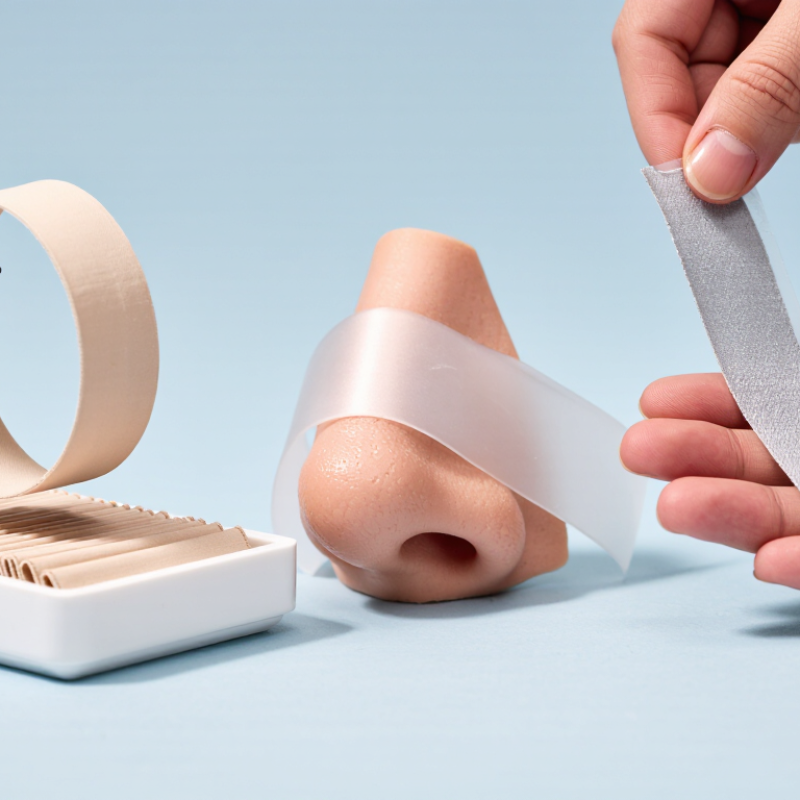
Nasal opening strips are flexible adhesive bands placed across the outside of the nose. Small spring-like supports in the strip pull gently upward when it is applied. This can lift the sides of the nose and widen the nasal valve, a narrow area near the nostrils. For some people, that makes breathing through the nose feel easier, especially during sleep or exercise. The design is simple, almost surprisingly so. But the effect varies, and a strip cannot open every kind of blockage. It does not treat allergies, a deviated septum, or sleep apnea.
Tips: Apply a strip to clean, dry skin, following its package directions. Center it across the lower bridge of the nose. If it causes redness, itching, or soreness, remove it and let the skin recover. A loose fit may reduce its effect.
Think of a strip as a small mechanical aid, not a cure. It may help when the nasal valve narrows during breathing, but it will not suit everyone. Persistent congestion, loud snoring, or trouble breathing deserves attention from a qualified health professional. The uncomfortable truth: a product that feels helpful one night may do little the next.
Nasal opening strips usually use a flexible spring-like band attached to an adhesive backing. When placed across the outer sides of the nose, the band gently lifts the nasal walls. Designs vary: some are narrow and discreet, while wider versions may cover more of the sidewalls. Curved shapes can follow a broader bridge, but the outline alone does not tell you whether a strip will fit well.
Materials affect comfort as much as shape. The lifting element may be plastic or another resilient material; the backing is often a thin, flexible fabric or film. Adhesives differ in tack and feel, and sensitive skin may react even to a product labeled gentle. Check the package for material and skin-use guidance. A small patch test can be sensible. It is not foolproof.
Fit is personal. Clean, dry skin helps the adhesive hold, and the strip generally belongs across the nasal sidewalls, just above the nostrils. It should feel secure, not sharply tight. More pull is not automatically better; sometimes it signals awkward placement or a poor size match. Try a smaller or wider option only if the instructions allow. Stop using a strip if your skin becomes sore or irritated. These strips may make airflow feel easier for some people, but they do not explain persistent congestion or replace medical advice.
A category-level comparison of how common nasal-opening designs are supported. “Yes” indicates a feature is typically part of that design; individual products may differ.
Materials and fit: External strips commonly combine a flexible polymer or plastic spring element with a backing and skin-contact adhesive; a release liner protects the adhesive before use. Backings, adhesives, and materials vary. Fit options may include different sizes or widths, but sizing is not standardized—check product guidance and consider bridge width, nose shape, placement, and skin sensitivity.
This chart describes typical design features, not comparative effectiveness or clinical performance.
Compare nasal opening strips by fit, comfort, and the airflow change you can actually notice. A strip should sit across the nose’s upper sides, without pulling the skin painfully or lifting at the corners. Check the edges. Oily skin, sweat, and facial movement can loosen adhesive, while strong spring tension may leave redness. A softer strip may feel better, but it can also provide less outward support. Try a short daytime wear test before relying on one overnight; remove it slowly if your skin feels irritated.
Performance claims need context. A systematic review of 14 clinical studies reported an average change of about 0.3 fewer apnea events per hour with nasal dilators, not a significant improvement. That finding suggests strips may help some people feel less nasal resistance, but they should not be treated as a solution for sleep apnea. For a fair comparison, note how easily you breathe through each nostril before and after fitting, and whether the strip stays comfortable when you turn your head. My own comparison would still be imperfect: congestion changes from day to day, and comfort is personal. If snoring or breathing pauses persist, ask a healthcare professional rather than judging performance by feel alone.
| Strip type | How it opens the nose | Comfort considerations | Typical performance | Best suited to | Practical trade-offs |
|---|---|---|---|---|---|
| Standard flexible adhesive strip | Adhesive ends anchor to the outside of the nose; a flexible band lifts the sides of the nose outward. | Low-profile and non-insertive. Adhesive may bother sensitive skin, and a poor fit can pull or lift at the edges. | May reduce resistance to airflow when narrowing of the nasal valve contributes to congestion. Results vary by fit and individual anatomy. | People who want a simple, single-use external option for sleep or exercise. | Usually discarded after use. Does not treat allergies, a cold, or other causes of nasal congestion. |
| Sensitive-skin adhesive strip | Uses the same external lifting action as a standard adhesive strip. | Adhesive is intended to be gentler, but reactions remain possible. Remove slowly and follow the package directions. | Can provide similar mechanical support when its shape and size fit well; a gentler adhesive does not necessarily mean stronger lift. | People who find ordinary adhesive strips uncomfortable or irritating. | “Sensitive skin” is not a guarantee against irritation. Check the adhesive information and stop use if a reaction occurs. |
| Firmer or higher-support adhesive strip | A stiffer external band provides more resistance to bending and lifts the sides of the nose. | May feel more noticeable or create more tension on the skin than a flexible version. | May suit people who want a firmer lift, but increased stiffness does not guarantee better airflow or comfort. | People who have tried a softer strip and want a more rigid external support. | Fit and skin tolerance matter; remove if it causes pain, persistent redness, or skin damage. |
| Wide or larger-size adhesive strip | Covers a wider area of the outside of the nose while using an adhesive anchor and flexible lifting band. | May sit more securely on a wider nose; an oversized strip can feel bulky or be harder to position. | A better size match can help the strip stay in place. Size alone does not establish how much airflow improvement it will provide. | People whose nose is not well covered by a smaller standard size. | Choose according to the product’s sizing guidance and placement instructions rather than assuming larger is always better. |
| Water-resistant adhesive strip | Uses an external lifting band with adhesive designed to resist moisture to some degree. | Moisture resistance varies by product. Sweat, oily skin, and application over damp skin can affect how well it stays attached. | The lifting mechanism is similar to other external strips; water resistance mainly relates to staying attached during moisture exposure. | People who want to wear a strip during exercise or in humid conditions. | Not all strips are waterproof. Check the label, apply to clean, dry skin, and replace after each use unless instructions say otherwise. |
Comparison note: Nasal strips work by mechanically lifting the outside of the nose; they do not open the nasal passages by medication or treat the underlying cause of congestion. Product labels, sizing, wear time, and adhesive instructions vary. Choose a well-fitting strip that feels comfortable, and consult a healthcare professional for persistent or severe nasal obstruction.
The best nasal opening strip depends on when and why you use it. External adhesive strips may suit runners who want a lightweight option that stays on during a workout. Look for flexible bands and skin-friendly adhesive, especially if sweat loosens products easily. For sleep, an internal nasal dilator may feel steadier, though some people find anything inside the nose irritating. Fit matters more than a strong pull. These aids can support airflow through the nostrils, but they do not treat every cause of congestion or noisy breathing.
Tips: Apply strips to clean, dry skin. Check the sizing guide, and test a small area if your skin is sensitive. Remove gently. Don’t force a poor fit.
For occasional stuffiness, a simple external strip may be enough; frequent blockage calls for a closer look at triggers such as allergies or dry air. If snoring comes with pauses in breathing, gasping, or daytime sleepiness, seek medical advice rather than relying on a strip. Results vary. That part is easy to overlook.
Safe Use, Limitations, and Alternatives to Consider
There is no single nasal opening strip that suits everyone. A good fit should feel secure but not painful, and the strip should lift the sides of the nose without tugging hard. These adhesive strips may make nasal breathing feel easier during exercise or sleep. They do not treat the causes of ongoing congestion, and they are not a treatment for sleep apnea. A narrow nose bridge, sensitive skin, or facial hair can also affect comfort and adhesion.
Tips: Apply a strip to clean, dry skin, following its package directions. Avoid placing it over cuts, rashes, or irritated skin. Remove it slowly; warm water may help loosen the adhesive. Stop using it if redness, soreness, or itching develops. Small details matter.
If nasal blockage persists, wakes you repeatedly, or comes with loud snoring or gasping, ask a healthcare professional about possible causes. Allergies, structural differences, and other conditions may need different care. Saline spray, a clean humidifier, or clinician-guided allergy treatment may help some people, though results vary. I would not assume that easier airflow from a strip means the underlying problem is solved. That distinction is easy to miss.
