Top 10 Tips for Finding Affordable Medical Rentals for Your Needs
In today's healthcare landscape, the demand for medical rentals is on the rise, driven by an increasing aging population and the growing prevalence of chronic diseases. According to a recent market research report, the global medical rental market is projected to reach $12.57 billion by 2027, expanding at a CAGR of 5.3% from 2020 to 2027. This growth reflects the urgent need for accessible and cost-effective medical equipment options, particularly for patients requiring home healthcare solutions.
Finding affordable medical rentals tailored to specific health needs can be a daunting task. Many individuals and healthcare providers face challenges such as understanding the variety of available equipment, navigating pricing disparities, and assessing quality and service options. It's essential to adopt a strategic approach when exploring rental solutions, as making informed decisions can significantly impact both health outcomes and financial stability. By leveraging market insights and following practical tips, individuals can effectively identify the best medical rentals that meet their unique requirements while staying within budget constraints.

Identifying Your Specific Medical Equipment Rental Needs
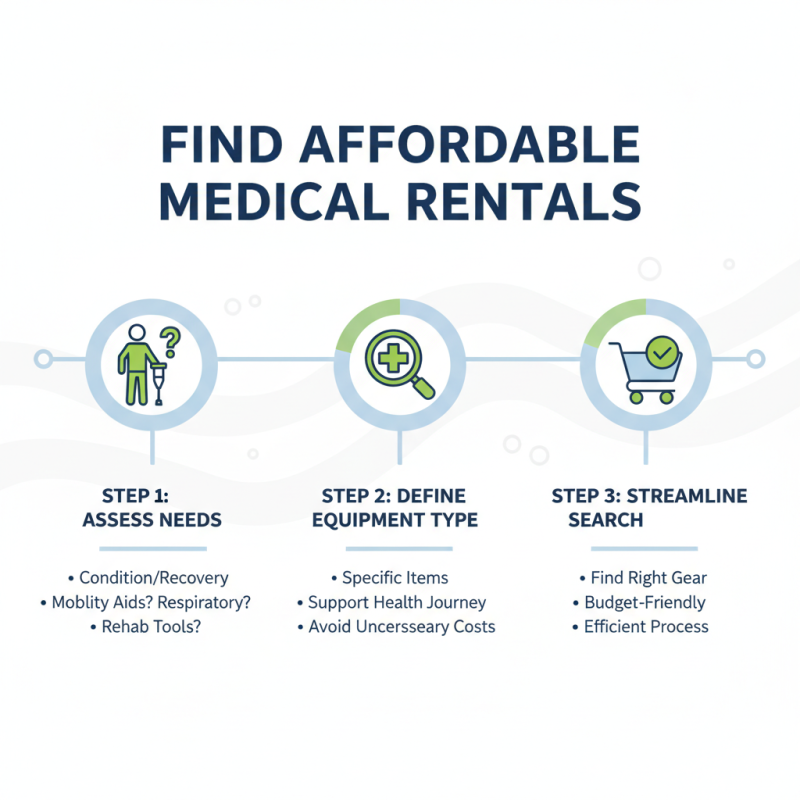
Identifying your specific medical equipment rental needs is a critical first step in finding affordable medical rentals. Begin by assessing your individual requirements based on your medical condition or recovery process. Consider the types of equipment that will best support your health journey—this may include mobility aids, respiratory devices, or rehabilitation tools. By clearly defining what you need, you can streamline your search and avoid unnecessary costs associated with renting equipment that doesn't serve a purpose.
It's also essential to evaluate the duration for which you'll need the equipment. Some rentals might be short-term for post-operative recovery, while others may be required long-term for chronic health conditions. Discuss your needs with healthcare providers who can offer insights on the most appropriate equipment for your situation. This targeted approach allows you to focus on rentals that not only fit your budget but also effectively meet your medical requirements. With a clear understanding of what you need, you are more likely to make informed decisions that enhance your recovery while keeping expenses manageable.
Researching Local Medical Equipment Rental Providers
When searching for affordable medical equipment rentals, one of the first and most crucial steps is to conduct thorough research on local providers. Start by compiling a list of potential rental companies in your area. Use online directories, community health resources, or recommendations from healthcare professionals to find reputable suppliers. Pay attention to reviews and ratings, as they can provide insights into the reliability and quality of service offered by each provider.
Once you have a list of providers, delve deeper into their offerings. Compare the types of equipment available for rental, ensuring they meet your specific medical needs. Check for the availability of maintenance and support services, as well as the rental terms and pricing structures. Don’t hesitate to reach out to these providers directly with questions or requests for quotes. Engaging in conversations will help you gauge their customer service and willingness to accommodate your needs, which is equally important in ensuring a satisfactory rental experience.
By diligently researching local medical equipment rental providers, you can find options that balance affordability and quality, ultimately making your healthcare journey more manageable.
Comparing Costs and Services of Different Rental Companies
When seeking affordable medical rentals, it's essential to compare costs and services among different rental companies to ensure you make an informed decision. Start by creating a list of your specific needs, such as the type of medical equipment required and the duration of the rental. This will help you request quotes tailored to your situation, enabling you to compare prices effectively.
One key tip is to inquire about any additional fees that may not be immediately apparent in the initial quotes. Some rental companies may offer low base prices but charge extra for delivery, setup, or maintenance. Understanding the full scope of costs will prevent unexpected expenses down the line. Additionally, ask about the condition of the equipment, as this can impact both functionality and rental costs.
Another important factor is the quality of customer service provided by each rental company. A company that offers responsive support can make a significant difference, especially if you encounter issues with the equipment during your rental period. Read customer reviews or ask for recommendations from healthcare professionals to gauge the reliability and responsiveness of potential rental companies. By carefully comparing both costs and the level of service, you can find the best solution that meets your medical needs without overspending.
Top 10 Tips for Finding Affordable Medical Rentals
Evaluating Rental Terms and Conditions for Affordability
When searching for affordable medical rentals, carefully evaluating the terms and conditions associated with each rental agreement is crucial to ensure it meets your financial needs. Start by examining the pricing structure; understand whether the rental fee is based on a flat rate, hourly usage, or a sliding scale based on your specific requirements. Look for any hidden fees, such as delivery charges, maintenance costs, or deposits that may not be immediately apparent. Clear and transparent details regarding these costs can help you avoid financial surprises down the line.
In addition to pricing, consider the duration of the rental and the flexibility it offers. Some agreements may lock you into a long-term commitment, while others might provide more flexibility to adapt to your changing needs. Pay attention to the terms regarding renewal options or early termination fees, as these can affect your overall cost. Lastly, make sure to read the fine print related to insurance coverage and liability; knowing what is and isn’t covered can save you from unexpected expenses. Taking the time to thoroughly evaluate these aspects will ensure you find a rental solution that fits both your medical needs and your budget.
Top 10 Tips for Finding Affordable Medical Rentals for Your Needs
| Tip Number |
Tip |
Description |
| 1 |
Research Rental Prices |
Compare rental prices across different providers. |
| 2 |
Negotiate Terms |
Don't hesitate to negotiate rental terms for a better deal. |
| 3 |
Look for Discounts |
Ask about discounts for long-term rentals or bundled services. |
| 4 |
Evaluate Rental Conditions |
Thoroughly review the terms and conditions before signing. |
| 5 |
Inquire About Insurance |
Check if rental includes insurance to avoid extra costs. |
| 6 |
Explore Online Options |
Use online platforms to find competitive pricing and reviews. |
| 7 |
Check for Hidden Fees |
Look for additional fees that may increase total rental costs. |
| 8 |
Seek Recommendations |
Ask friends or healthcare providers for trusted rental suggestions. |
| 9 |
Consider Second-Hand Rentals |
Look for good condition used medical equipment rentals. |
| 10 |
Understand Your Needs |
Assess your actual needs to avoid renting unnecessary equipment. |
Exploring Options for Insurance Coverage on Medical Rentals
Exploring options for insurance coverage on medical rentals is a crucial step for individuals seeking affordable solutions for their healthcare needs. Medical equipment rental is often more cost-effective compared to purchasing, particularly for high-cost items such as wheelchairs, hospital beds, or respiratory devices. According to industry reports, the global home healthcare market, which includes medical rentals, is projected to reach approximately $450 billion by 2025, highlighting the growing demand for affordable medical solutions.
Many insurance plans provide coverage for medical equipment rentals, yet the extent of coverage can vary significantly depending on the policy. For instance, Medicare typically covers rental costs for devices deemed medically necessary, but beneficiaries must ensure they meet specific criteria for these rentals to be reimbursable. A report by the National Association of Insurance Commissioners indicates that approximately 30% of medical devices rented are not covered under standard insurance plans, underscoring the importance of reviewing policy details and potential out-of-pocket expenses associated with rentals.
When exploring insurance options, it is essential to consult with healthcare providers and insurance representatives to understand what types of rentals are covered and any documentation required for claims. Additionally, consumers should investigate state-specific regulations and programs that may enhance coverage for medical rentals, as these can differ widely. By taking these proactive steps, individuals can help mitigate costs and ensure they have access to the necessary medical equipment without financial strain.